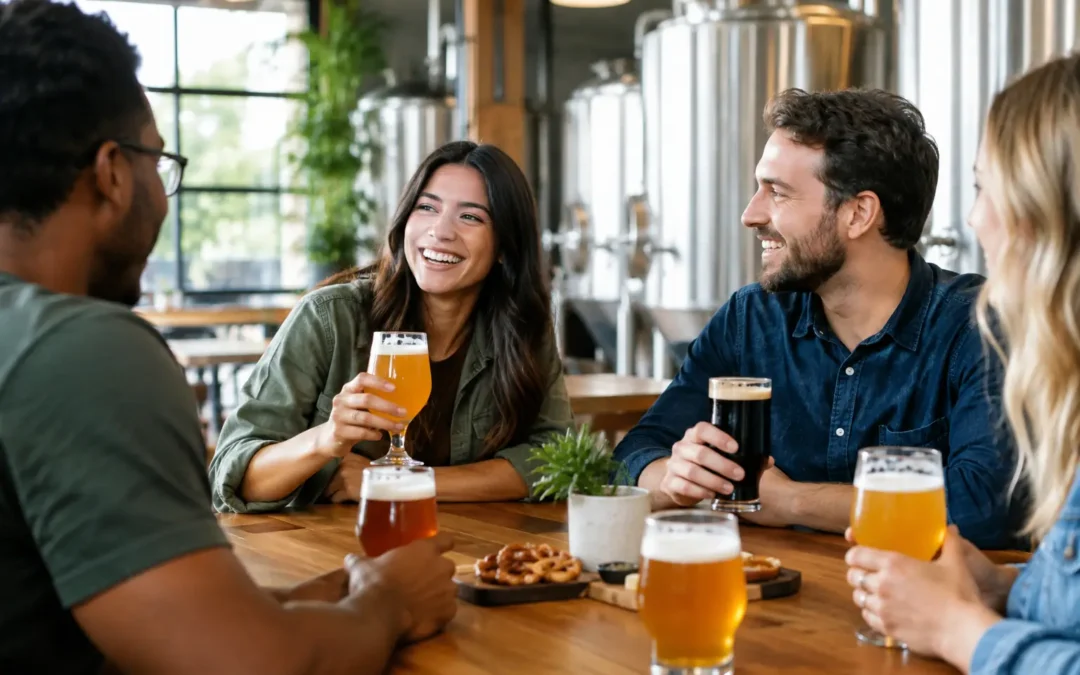
A great brewery visit is no longer just about what is in the glass. The most meaningful craft brewery hospitality trends are built around a bigger question: Why would someone choose to spend their evening here, bring friends next time, and come back when they are hungry on a Tuesday? Beer still gets attention, but hospitality is what turns a one-time stop into a regular gathering place.
For Colorado Springs drinkers and diners, that means breweries are raising the bar on food, comfort, service, and community. The strongest brewpubs are not trying to be everything to everyone. They are giving people a dependable place for a cold lager, a big stout, a smash burger, and a table where nobody feels like they need a beer certification to belong.
Craft Brewery Hospitality Trends Start Beyond the Tap List
A rotating tap list remains part of the fun. Specialty releases create a reason to visit, and a well-made IPA, sour, cream ale, or stout gives regulars something new to talk about. But choice alone is not hospitality. A massive list can even create friction when a guest is standing at the bar, scanning unfamiliar names and wondering what to order.
The better approach is a focused beer program with clear descriptions and staff who can translate flavor without sounding like a textbook. A guest who says, “I usually drink something light,” does not need a lecture. They need a friendly recommendation, a small taste when appropriate, and a quick path to a beer they will enjoy.
That approach also makes room for every kind of visitor. The craft beer fan might arrive for an imperial IPA or barrel-aged release. Their friend may want a crisp lager, a simple blonde ale, or a nonalcoholic option. Good hospitality lets both people feel like the menu was made with them in mind.
Less intimidation, more useful guidance
Beer expertise should feel like an invitation, not a test. The best service teams know the beer, but they also read the table. Some guests want the malt bill and the story behind a new release. Others want to know which pour goes best with a burger and fries.
This is where plain language matters. “Bright, citrusy, and dry” tells a guest more than a string of brewing terms. “Rich and roasty, with a smooth finish” is enough to help a stout drinker decide. The goal is not to simplify the beer. It is to make the choice easier.
Better Food Is Part of the Brewery Experience
For years, many taprooms treated food as an afterthought or handed guests a pile of takeout menus. That model still works for some small, beer-first spaces, especially when there are great food partners nearby. But full-service brewpubs are proving that craveable food can be one of the biggest reasons people return.
A strong food menu does more than fill the gap between rounds. It extends the visit, makes the venue work for dinner, and gives mixed groups another reason to choose a brewery over a bar. Familiar favorites usually win here, but familiar does not have to mean forgettable. A properly crisp chicken sandwich, loaded fries, or a great smash burger can earn as much loyalty as a flagship beer.
The trade-off is real. Running a kitchen demands consistency, staffing, prep, and speed. A menu that is too broad can slow service and make quality harder to protect. That is why focused pub food often performs best: a smaller set of items done well, with enough variety for groups to share a meal instead of just snacking.
At South Park Brewing, the combination of house beer and signature smash burgers reflects this shift. It gives guests a straightforward answer to a common question: Where can we get a good beer and actually have dinner?
Pairings should be easy, not precious
Food and beer pairing does not need candlelight language. A clean lager with salty fries works because it works. A juicy IPA can stand up to a spicy burger. A darker beer can bring a satisfying contrast to a rich dessert or a smoky plate.
Simple pairing prompts on menus, table tents, or staff recommendations can help guests order with confidence. Keep the advice practical. If the pairing feels like a rule, it becomes a barrier. If it sounds like a friendly suggestion, it becomes part of the fun.
Flexible Service Meets Guests Where They Are
Not every brewery customer wants the same kind of visit. One group is settling in for a birthday. Another has 45 minutes before a movie. A parent may be grabbing dinner to take home. A visitor may be looking for local beer to enjoy later or asking where else they can find it around town.
That is why convenience has become one of the most useful hospitality trends. Online ordering, takeout, packaged beer, clear hours, easy event details, and beer finder tools all reduce the little frustrations that can send a customer elsewhere. These services do not replace the taproom experience. They support it.
The key is making every option feel connected to the same brand. Takeout food should travel well and arrive as something guests are happy to order again. To-go beer should be easy to understand, whether it is a familiar favorite or a limited seasonal release. Online information should answer basic questions before a guest has to call.
Convenience matters most when it protects the guest’s time. If ordering feels confusing or pickup feels disorganized, even great food and beer lose some of their appeal. If it is quick and dependable, customers remember that too.
Community Events Need a Clear Point of View
Events remain one of the most visible craft brewery hospitality trends, but more events are not automatically better. Trivia, live music, release parties, watch parties, fundraisers, and local gatherings can create energy. They can also overwhelm regular guests if the schedule feels random or every night is louder than the last.
The best event calendar has a point of view. It gives people a reliable rhythm: perhaps a recurring weeknight gathering, a seasonal release celebration, or a community fundraiser that feels tied to the neighborhood. Those events should match the room and the audience rather than chase every possible crowd.
A brewery is especially well positioned to be a gathering place because it already has the basics people need: tables, food, drinks, and a relaxed reason to stay awhile. Add an event with genuine local relevance, and the visit becomes more memorable without losing its easygoing feel.
Make regulars feel recognized
Community is built in small moments. It is a bartender remembering a usual order, a server noticing that someone prefers a patio table, or a team member taking the time to welcome a first-time visitor without making them feel like an outsider.
Loyalty programs and member perks can help, but they are not substitutes for human recognition. Discounts may bring people back once. Feeling known brings them back because the place has become part of their routine.
Comfort Has Become a Competitive Advantage
Hospitality is physical as well as social. Seating, lighting, music volume, temperature, restroom cleanliness, patio setup, and clear ordering flow all affect whether guests relax or start looking for an excuse to leave.
A patio is a strong example. In Colorado, it can be a major draw for people who want fresh air, mountain weather, and a dog-friendly outing. But it only works when the details are handled: enough shade when it is sunny, warmth when it cools down, water for dogs, and service that does not disappear once guests sit outside.
Inside, the goal is not necessarily polished fine dining. It is comfort with intention. Guests should be able to hear their friends, find a place to set down a flight, and feel welcome whether they are wearing work clothes, hiking gear, or a jacket for date night.
The Best Trend Is a Reason to Return
There is no single formula for brewery hospitality. A small neighborhood taproom may thrive by keeping things simple and beer-focused. A full-service brewpub may win by offering dinner, takeout, events, and a broad range of drinks. What matters is that the experience makes sense for the people walking through the door.
The breweries that earn lasting loyalty will keep paying attention to the moments around the pour: the welcome, the recommendation, the food arriving hot, the easy pickup order, the familiar faces, and the reason to make plans for next week. Give people a place that feels good to return to, and they will bring the table with them.