Imperial IPA is not a beer to rush through between bites of a burger or while checking the score. It is big by design: more hops, more malt, more alcohol, and usually more going on in the glass than your first sip can fully catch. Learning how to taste imperial IPA means slowing down just enough to notice where the beer lands for you – bright and citrusy, piney and resinous, juicy and tropical, warming and malty, or pleasantly intense from start to finish.
That does not mean you need a tasting notebook or a brewer’s vocabulary to enjoy it. A good imperial IPA should still be fun. The goal is simple: take a few thoughtful sips, identify what you like, and find the balance between hop character, malt sweetness, bitterness, and alcohol warmth.
How to Taste Imperial IPA One Step at a Time
Start with a smaller pour when you can. Imperial IPAs commonly sit well above the strength of a standard pale ale, and a smaller serving gives you room to pay attention without wearing out your palate. A clean glass helps too. It lets the aroma rise, keeps outside flavors out of the picture, and gives the beer space to show off its color and foam.
Let the beer sit for a minute after it arrives. Ice-cold beer can hide aroma and flatten flavor, especially in a hop-forward style. You do not want it warm, but you do want it cool rather than frosty. As it opens up, the hops become easier to smell and the malt backbone becomes easier to find.
Look Before You Sip
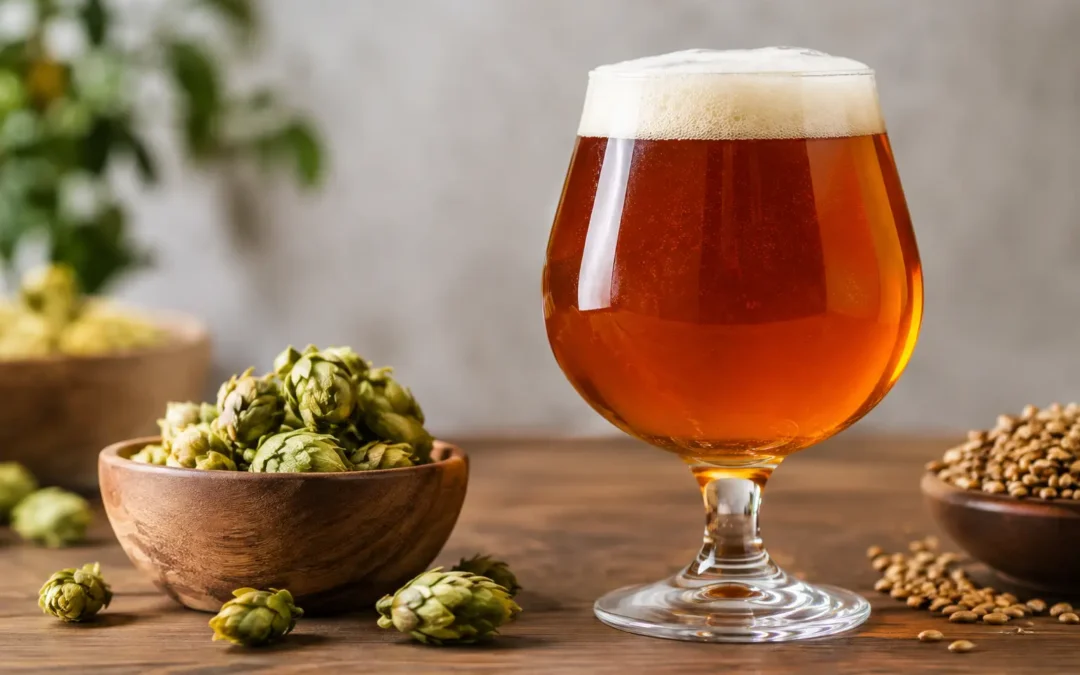
Hold the glass up to the light and take in the color. Imperial IPA can range from bright gold to deep copper. A lighter beer may suggest a leaner malt profile, while a darker copper shade can point toward more caramel, toast, or bread-crust character. Neither is automatically better. It is simply a clue about the road ahead.
Check the clarity and the head as well. Some imperial IPAs pour clear, while others are intentionally hazy from hop compounds, yeast, or proteins. A lasting white or off-white head can help carry aroma toward your nose. Appearance will not tell you whether you will love the beer, but it sets the first expectation.
Smell the Hops, Then Smell Again
Before sipping, bring the glass close and take a gentle sniff. Do not bury your nose in the foam and inhale like it is a test. A few short breaths work better. Your first pass may pick up the obvious notes: grapefruit, orange peel, pineapple, mango, pine, fresh-cut grass, or dank cannabis-like resin.
Then give the glass a small swirl and smell again. This second pass often reveals more of the malt and fermentation character. You may notice biscuit, honey, light caramel, or a subtle alcohol note. If the aroma seems different from one sniff to the next, that is normal. Imperial IPA is layered, and your senses adjust quickly.
Try not to judge the aroma by whether it smells exactly like fruit. Hops can evoke familiar foods without tasting sweet. A beer can smell like mango and still finish dry and bitter.
Take a Small First Sip
Your first sip is for orientation, not a final verdict. Let a small amount move across your tongue before swallowing. Notice the entry: does it begin soft and fruity, sharp and bitter, round and malty, or crisp and dry?
On the second sip, pay attention to the middle of the flavor. This is where an imperial IPA often shows its balance. Big hopping can bring citrus, tropical fruit, berry, pine, spice, or resin. The malt supports those flavors with body and a touch of sweetness, keeping the beer from tasting thin. Alcohol adds weight and warmth, but it should not bulldoze everything else.
Finally, notice the finish. Does the bitterness linger? Does it fade quickly into fruit? Does the beer leave a warming sensation in your chest or a slightly sweet malt note on your tongue? The finish is often where you learn whether an imperial IPA feels balanced to you.
What Balance Tastes Like in an Imperial IPA
A balanced imperial IPA is not necessarily a low-bitterness beer. It can be seriously bitter and still feel polished. Balance means the beer’s elements have a reason to be there together. The aroma leads into the flavor, the malt supports the hops, and the alcohol belongs in the picture instead of sticking out like a distraction.
If you enjoy a beer that feels bright and crisp, look for a dry finish and hop flavors that stay fresh. If you prefer something richer, you may enjoy an imperial IPA with more malt presence and a slightly rounder body. Both approaches can make excellent beer. Your favorite may depend on the day, the food on the table, and whether you are having one relaxed pint or sampling a few styles with friends.
Bitterness Is Not the Same as Harshness
Bitterness is a classic part of the IPA experience, but it should not taste rough for no reason. Pleasant bitterness can be clean, citrusy, herbal, or resinous. Harshness can feel astringent, overly boozy, or almost scratchy on the back of the throat.
Freshness matters here. Hop aroma and flavor shift over time, and an older imperial IPA may lose some of its bright character while the malt and bitterness become more prominent. That is one reason fresh pours are worth seeking out, especially when the beer is built around expressive late-hop additions.
Notice Alcohol Warmth Without Chasing It
Imperial IPA gets its name from its bigger strength, but high alcohol is not the main event. You may feel a gentle warmth as the beer goes down, particularly as it comes closer to cellar temperature. That can add depth, much like a warming spice note in food.
If the alcohol tastes hot, solvent-like, or dominates every sip, the beer may not be hitting your personal sweet spot. There is no prize for liking the strongest flavor in the room. The best imperial IPA for you is the one that stays interesting while still inviting another measured sip.
Reset Your Palate and Give the Beer Room
Water is the easiest palate reset. Take a few sips between tastes, particularly if you are comparing multiple beers. Plain crackers or a bite of mild bread can help, but avoid strongly flavored snacks before you have had a chance to understand the beer on its own.
If you are tasting more than one IPA, move from lower alcohol and lighter flavor intensity to bigger, richer pours. Otherwise, the first heavyweight beer can make everything after it seem muted. Keep your pours modest, share with the table, and give each beer a minute before deciding where it ranks.
Temperature, glassware, and setting all influence the experience, but do not let the ritual become precious. A busy patio, a good conversation, and a fresh beer can be just as memorable as a quiet tasting. At South Park Brewing, that might mean trying an imperial IPA alongside friends before settling into a smash burger and a longer evening.
Pair Imperial IPA With Food That Can Keep Up
Imperial IPA has enough flavor to stand beside food with real seasoning. Rich, salty, smoky, and spicy dishes are especially useful partners because they give the hops something to play against. A juicy smash burger can bring out the beer’s citrus or pine notes, while salty fries make the finish feel brighter and more refreshing.
Heat is another good match, within reason. Spicy wings, peppery sauces, and jalapeño-forward bites can make fruit-driven hop flavors pop, but high alcohol can also amplify chile heat. If a dish is intensely hot, choose a beer with more juicy fruit character and less aggressive bitterness, or keep a water glass nearby.
Blue cheese, sharp cheddar, smoked meats, and grilled foods can also work well with an imperial IPA’s bitterness and malt weight. The trade-off is that a very sweet dessert usually makes the beer seem more bitter and alcoholic. For dessert, a stout or darker beer may be the easier pairing.
Trust Your Own Tasting Notes
You do not have to identify every hop variety to know what you enjoy. “Tastes like orange peel and pine,” “too sweet for me,” or “I like the dry finish” are useful tasting notes. Over time, patterns emerge. Maybe you consistently reach for bright citrus and tropical aroma. Maybe you prefer old-school resin and grapefruit bitterness. Maybe you want more malt body when the weather turns cold.
That is the real payoff of learning how to taste imperial IPA: every pour becomes a little more personal. Order a fresh one, take your time with the first few sips, pair it with something satisfying, and let your own palate choose the favorite.