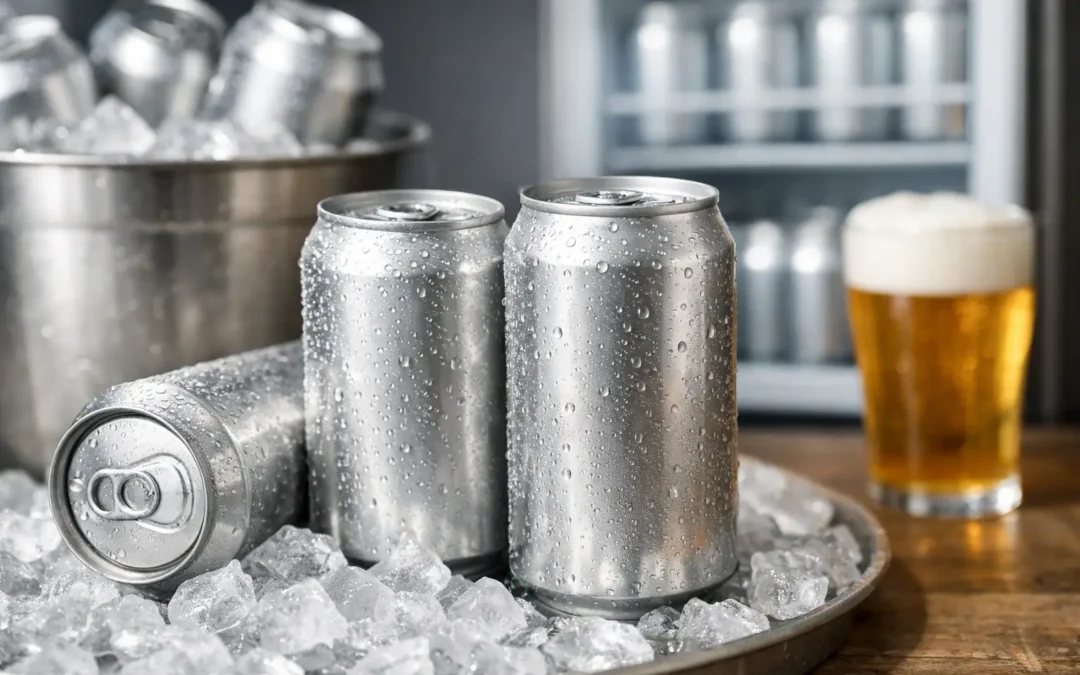
That four-pack you picked up for the weekend deserves better than the backseat of a warm car or a sunny kitchen counter. Knowing how to store canned beer keeps the flavor your brewer intended intact – whether you are saving a crisp lager for burger night or holding onto a big stout for a special occasion.
Beer in cans is well protected from light, but it is not invincible. Time, temperature, and rough handling can all change what ends up in your glass. The good news is that proper storage is simple, and it makes a real difference in aroma, carbonation, and overall freshness.
How to Store Canned Beer at Home
The best everyday answer is cool, dark, and consistent. For most canned beer, a refrigerator set between 35 and 40°F is ideal, especially if you expect to drink it within the next few weeks or months. Cold storage slows the flavor changes that make beer taste tired, muted, or unexpectedly sweet.
If refrigerator space is limited, choose the coolest stable spot in your home. A basement closet, interior pantry, or temperature-controlled storage area can work well for unopened cans. Aim for roughly 45 to 55°F when possible. That is warmer than a fridge, but far better than a garage shelf that swings from freezing winter nights to hot summer afternoons.
Consistency matters almost as much as the temperature itself. Moving beer repeatedly from a cold refrigerator to a warm countertop and back again is not a disaster, but it is not the best habit for cans you plan to keep. Store them cold once, then leave them there until it is time to chill, open, and pour.
Keep cans upright
Store canned beer upright whenever you can. Unlike a corked bottle, a can has no cork that needs moisture, but upright storage still has benefits. It keeps yeast sediment, if present, settled at the bottom and reduces the amount of beer touching the can lid, where dust and grime can collect.
Upright cans are also easier to rotate by date. Put newer purchases behind older ones, then reach for the older beer first. It is the beer version of keeping the good stuff from getting lost behind a stack of takeout containers.
Keep beer away from heat and sunlight
Cans block light far better than clear or green glass bottles, which is one reason they are a great package for hop-forward beer. But cans still do not like heat. A hot trunk, patio cooler in direct sun, or kitchen shelf above the oven can speed up aging fast.
Heat can flatten bright hop aroma, push malt flavors toward caramel or cardboard-like notes, and make delicate beers feel dull. One forgotten afternoon in a hot car will not necessarily ruin every can, but repeated exposure or prolonged heat can take the edge off a beer long before its date suggests it should.
Avoid freezing, too. A can left in a freezer can burst, and even a beer that does not burst may lose carbonation or pick up a different texture after thawing. If you need a fast chill, use an ice bath and set a timer rather than gambling on the freezer.
Fresh Beer Depends on the Style
Not every beer follows the same clock. A light lager, blonde ale, cream ale, pilsner, or hazy IPA is usually at its best when it is fresh. These styles rely on clean fermentation, bright hop expression, soft fruit aromas, or snappy carbonation. Those qualities fade faster than many drinkers expect.
For hop-forward cans, freshness is part of the recipe. Check the packaged-on date when one is printed and make a plan to enjoy the beer sooner rather than later. A cold fridge is the right place for an IPA, but cold storage cannot completely pause time. If you bought it because you wanted those citrus, pine, tropical, or floral notes, do not save it for a someday that never arrives.
Maltier and stronger beers can be more flexible. Imperial stouts, barrel-aged releases, high-ABV ales, and some darker Belgian-inspired styles may develop pleasantly over time. Their roast, chocolate, dried-fruit, and warming alcohol notes can soften and blend with age. Still, aging is not automatically an upgrade. A beer made for immediate drinking can lose its balance if you wait too long, even if it is strong.
Sour ales land somewhere in the middle. Many will hold up well under cool, stable conditions, while others are designed around fresh fruit character that can fade. If the can includes a brewery recommendation or a best-by date, follow that guidance first. The brewer knows whether that release is built for a bright, fresh pop or a longer rest.
Should You Refrigerate Canned Beer Right Away?
For most drinkers, yes. Refrigerating canned beer as soon as you get home is the easiest, most reliable move. It protects freshness and means your favorite can is ready when friends show up, dinner lands on the table, or the game goes into overtime.
There are a few exceptions. If you bought a large amount for a party and cannot fit it all in the fridge, store the extra cans in a cool, dark place until you have space. If you intentionally bought an age-worthy stout or strong ale, a cool cellar-like area may be a better fit than tying up refrigerator space for months.
What you want to avoid is treating room temperature as the default for every can. At a steady 68°F, beer can remain drinkable, but it will generally age more quickly than it would under cold storage. In Colorado Springs, where a garage can be surprisingly cold one day and warm the next, garages and sheds are especially unreliable for beer.
Handle the Can Before You Open It
A can might survive a hike, a tailgate, and a ride in a cooler, but giving it a little care helps it pour better. Keep it from rolling around loose in a vehicle, and let it settle for a few minutes after a bumpy trip before opening. This is most useful for highly carbonated beers and cans that have spent time getting jostled in an ice chest.
Before opening, rinse or wipe the lid if it has been in a shared cooler, on a dusty shelf, or outdoors. The top of the can is part of the drinking experience, especially if you take a sip straight from it. Better yet, pour it into a clean glass. You will get the aroma, see the color, and have an easier time noticing the brewery’s intended character.
Serving temperature matters, too. A pale lager or crisp blonde can be served quite cold. A flavorful IPA often opens up slightly after a few minutes in the glass, while a stout can show more chocolate, roast, and caramel notes when it is not ice-cold. Storage temperature and serving temperature do not have to be identical.
Watch Dates, Not Just Deals
A discounted four-pack can be a great find, but check the date before stocking up. Price alone does not tell you whether a beer is a smart buy for your plans. For bright, hop-driven styles, choose the freshest package available and drink it promptly. For darker, higher-ABV beers, the date still matters, but you may have more room to wait.
If a can has no visible packaged-on date, buy from retailers with good turnover and keep your own purchase date in mind. When in doubt, enjoy it sooner. Craft beer is made to be shared, not forgotten in the back of a fridge until it becomes a mystery can.
Make Your Beer Fridge Work Harder
You do not need a dedicated beer fridge, but it is a nice upgrade if your household goes through plenty of cans. Keep the temperature steady, leave enough room for air to circulate, and avoid placing cans against a freezing back wall. If your refrigerator has a drawer that stays colder than the rest of the unit, use it carefully and check that cans are not partially freezing.
Group beer by when you plan to drink it rather than trying to organize every style perfectly. Put the fresh, easy-drinking cans up front for weeknight meals and gatherings. Set special releases aside where they will not get accidentally grabbed when someone is simply looking for something cold.
Great beer is at its best when it is enjoyed, not over-managed. Keep your cans cold, upright, and out of the heat, then bring them to the table with food and good company. If you are ready for a fresh pour and a smash burger to match, South Park Brewing is always a solid reason to skip the storage question altogether.