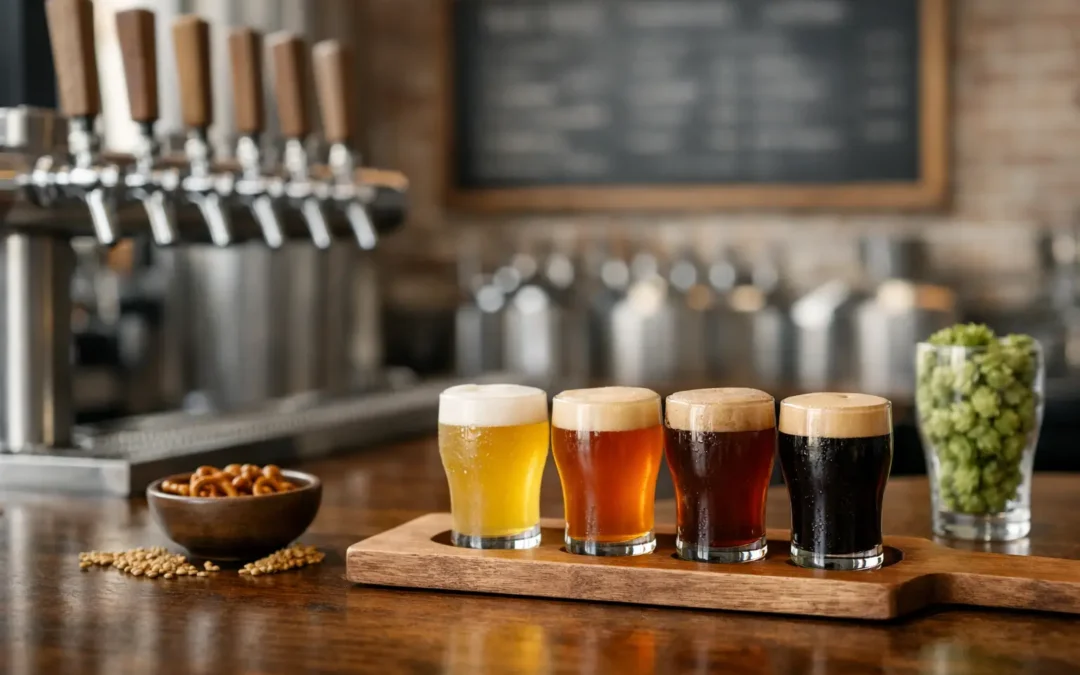
That board above the bar is not a test. A good guide to brewery tap lists starts with one simple idea: the list is there to help you find a beer you will actually enjoy, whether you want a familiar lager, a bright IPA, or something dark enough to stand up to a smash burger.
Tap lists can change quickly, especially at independent breweries. That is part of the fun. A rotating board gives regulars a reason to come back and gives first-time visitors a chance to try a beer that may not be around next month. Knowing how to read it means less guesswork and more great pours.
What a Brewery Tap List Tells You
Most tap lists begin with the beer name and style, then add ABV, or alcohol by volume. Some include tasting notes, bitterness levels, pour sizes, prices, or a note that the beer is limited. Those details tell a much fuller story than a name alone.
Start with style. It is the quickest signal of what is in the glass. A pilsner or lager usually points toward crisp, clean drinking. A blonde ale or cream ale is often approachable and lightly malt-forward. An IPA suggests hops, which can bring citrus, pine, tropical fruit, resin, or a firmer bitter finish. Stouts commonly offer roasted character, with flavors that may recall coffee, chocolate, toast, or caramel.
The style is a useful starting point, not a rulebook. One sour ale may be sharply tart and fruit-forward, while another is soft and lightly tangy. One imperial IPA may be juicy and smooth, while another leans dank and bitter. Read the description, then use your own preferences as the final call.
A Guide to Brewery Tap Lists: Read Beyond the Beer Name
Beer names are part of brewery personality, but they do not always explain what you are getting. A playful name might be attached to a crisp lager, a big stout, or a hazy IPA. Look for the words underneath it.
Descriptions often reveal the ingredients and the direction of the beer. Terms such as citrus, peach, mango, and tropical usually suggest hop aroma or fruit additions. Biscuit, bread crust, honey, and caramel point toward malt character. Coffee, cocoa, vanilla, and roasted are common in darker beers. Tart, dry, funky, and bright are useful clues for sours and farmhouse-inspired styles.
A few words deserve extra attention. “Hazy” generally means an IPA with a softer mouthfeel and a fruit-driven hop profile, though it can still have bitterness. “West Coast” often signals a clearer, more resinous, piney, bitter IPA. “Imperial” or “double” usually means a stronger version of the style, with more alcohol and more intensity. “Barrel-aged” can mean richer flavors and a higher ABV, but the result depends on the base beer and barrel.
If the description sounds good but you are unsure about a term, ask. Taproom staff should be able to explain a beer in plain language, not make you feel like you need a brewing dictionary to order a pint.
Use ABV as a Pace Setter
ABV matters, but it does not measure flavor. A 5% beer can be packed with hop aroma or roasted malt. A 9% beer can be surprisingly smooth. Still, ABV is one of the best tools on the board for planning your visit.
For a relaxed lunch, a conversation-heavy afternoon, or a round with friends, a lower-ABV lager, blonde ale, or cream ale can be a smart choice. These beers often keep your palate fresh and pair easily with food. Higher-ABV beers such as imperial IPAs, strong stouts, and some barrel-aged releases are better treated as intentional pours. A smaller glass lets you enjoy the details without turning one beer into the whole day.
There is no medal for choosing the strongest tap. The best choice is the beer that fits your taste, your food, and your plans after you leave the table.
Bitterness Is Only Part of the IPA Story
Some boards list IBUs, or International Bitterness Units. That number can be helpful, but it is not a complete flavor prediction. A beer with a higher IBU can still taste balanced if it has substantial malt sweetness or fruit-forward hop character. Meanwhile, a lower-IBU IPA may seem intensely aromatic because your nose catches the hops before your palate does.
If you know you dislike bitterness, say so. Ask for a softer hazy IPA, a pale ale, a blonde, or a lager. If you want a bracing, classic hop finish, look for words like West Coast, dry, pine, resin, grapefruit, or crisp bitterness.
Choose by Mood, Not Just by Style
The most useful way to approach a tap list is to think about what sounds good right now. On a warm patio afternoon, a clean lager or tart sour can feel exactly right. On a cold Colorado evening, a rich stout may be the move. A familiar pint is great when you want dependable comfort, while a seasonal release is ideal when you feel like trying something new.
At South Park Brewing, a board that includes styles from stouts and sours to blonde ales, cream ales, IPAs, and lagers gives a group plenty of ways to order without everyone settling for the same thing. That range matters when one friend wants crisp and light, another wants hoppy, and someone else wants a dessert-like dark beer.
When you are choosing for a group, variety beats escalation. Order a few different styles so people can compare them, rather than lining up four beers that all land in the same flavor lane.
Let Food Help Make the Decision
A tap list gets even more useful when you read it alongside the food menu. Beer and food do not need to follow strict pairing rules, but a few simple instincts work well.
Crisp lagers and light ales cut through salty, fried, or rich dishes. They are an easy fit for fries, wings, and a classic burger. Hoppy IPAs can handle spicy food and bold sauces, though big bitterness may make heat feel more intense for some drinkers. Maltier beers bring a nice contrast to savory grilled flavors, while stouts can work with smoked meats, chocolate desserts, and anything with a sweet-and-salty edge.
A smash burger and a clean, flavorful lager is hard to beat because the beer refreshes your palate between bites. If you prefer more hop character, a balanced IPA can also work beautifully with a burger, especially one with sharp cheese, pickles, or a punchy sauce. The real trade-off is intensity: delicate food can get lost beside a huge imperial beer, while a big burger can make a very light beer seem quiet.
Flights, Samples, and Full Pours
A flight is useful when the board has several beers you are curious about. It lets you compare styles side by side and find a favorite without committing to a full pour of something unfamiliar. Start with the lightest beer and work toward the richest or strongest. Your palate will have an easier time picking up subtle flavors before it meets a bold stout or double IPA.
A full pint makes more sense when you know what you want or when a beer is especially delicate. Lagers, pale ales, and other crisp beers often shine when served fresh and cold in a proper pour. Smaller pours are smart for stronger beers, limited releases, and styles that you want to savor slowly.
If you only want a quick answer from the bar, give your server a useful direction. “I like citrusy IPAs but not harsh bitterness,” or “I want something crisp with my burger,” is much more helpful than “What is good?” Everything on a well-curated list should be good. The question is what is good for you.
Five Quick Questions to Ask at the Bar
When the list leaves you torn between options, these questions make the decision easy:
- Which beer is the freshest release right now?
- What would you recommend for someone who usually drinks light beer?
- Which IPA is more fruity than bitter?
- What pairs best with the food I ordered?
- Is there a smaller pour available for the stronger beers?
These are not beginner questions. Regular taproom visitors ask them all the time because beer changes, batches vary, and the people pouring it know what is tasting especially good that day.
Keep a Little Room for Surprise
Your usual order is a safe bet, and there is nothing wrong with that. But a brewery tap list is also an invitation to find a new favorite. Try one seasonal beer, one style you have not had in a while, or one pour that sounds unlike your default. You may discover that you like tart beers with food, that a well-made stout is not too heavy, or that a lager can have as much personality as a hazy IPA.
The next time you are standing beneath a full tap board, pick the beer that matches the moment, ask one good question, and leave room for the pour that surprises you.