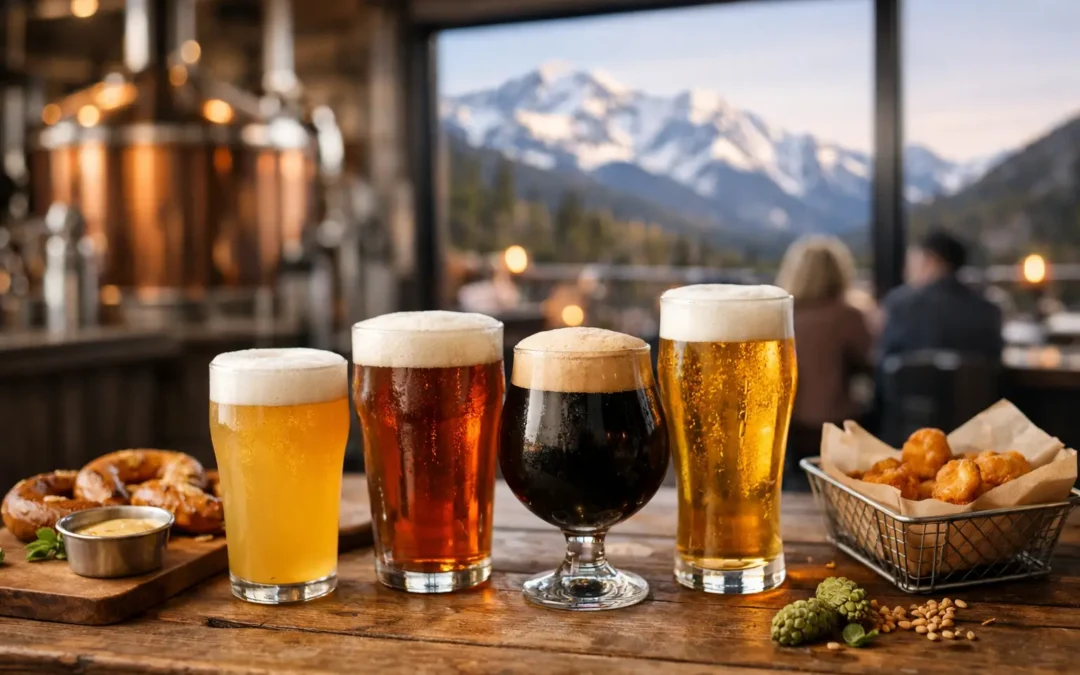
A Colorado brewpub review should begin where a good visit actually begins: with the decision to stay for one more round, split a basket of something hot, and settle into the table instead of checking the time. Colorado has no shortage of places to grab a pint. The memorable brewpubs earn their place in the rotation by making the whole experience work, from the first pour to the last bite.
That standard matters whether you are a dedicated hop chaser, a weekend patio regular, or simply looking for a dependable spot to meet friends after work. Great beer gets people in the door. Good food, comfortable hospitality, and a real sense of place give them a reason to come back.
What a Colorado Brewpub Review Should Actually Measure
A flight of samples can tell you whether a brewery knows its way around malt, hops, yeast, and balance. It cannot, on its own, tell you whether the place is worth making your regular stop. A useful brewpub review looks at the beer in context: Does the tap list offer range? Are there clear choices for the person who wants a crisp lager as well as the friend ordering an imperial IPA? Does the bartender help guests find a beer they will enjoy without turning a simple question into a lecture?
Consistency is a bigger deal than novelty. Rotating releases are part of the fun of Colorado craft beer, especially when a seasonal sour or a big stout lands at the right time. But a brewpub also needs a few reliable pours that make an easy Tuesday night order. A clean blonde ale, a satisfying cream ale, a lager with enough snap, or a well-built IPA can say more about brewing discipline than the wildest limited release.
Freshness is part of the equation, particularly for hop-forward beer. An IPA should be aromatic and lively, not tired or overly sweet. Dark beers should carry roast, chocolate, coffee, or caramel notes without tasting heavy for the sake of it. Sour beer needs brightness and intention, not just acidity. You do not need a sensory certification to notice when a beer is balanced, well-kept, and poured at the right temperature.
Beer Range Without the Guesswork
The strongest tap lists welcome different kinds of drinkers. A group rarely arrives with identical tastes, and a brewpub should not make anyone feel like an afterthought. The person who says, “I usually do not like beer,” may find their lane with a tart sour, a soft blonde, or something malt-forward. The beer fan who came looking for intensity should still have a serious imperial IPA or stout to consider.
Variety works best when it is organized around drinkability rather than sheer volume. Twenty taps are not automatically better than ten. A smaller menu can feel more thoughtful when every beer has a purpose and staff can describe it clearly. In-house beer also gives a brewpub something a standard bar cannot copy: a direct connection between the brewer, the taproom, and the people drinking the result.
That connection is especially valuable in a place like Colorado Springs, where locals and visitors often want a beer that feels tied to the area instead of a generic brand experience. Local pride does not require a speech. It shows up in the names, the regulars at the bar, the staff recommendations, and the confidence to make beer that suits the room.
A Brewpub Cannot Treat Food Like an Afterthought
There is a real difference between a brewery with snacks and a brewpub built for dinner. If a guest can only find a bag of chips after two pints, that might be fine for a quick tasting room stop. It is not enough for a gathering place where people want to settle in for an evening.
Food should stand on its own, while still playing well with the beer. Smash burgers are a natural fit because the crisp, caramelized edges and rich beef hold up next to a bright lager or a hoppy pale ale. A stronger IPA can cut through a salty, savory bite, while a stout can make a burger-and-fries order feel like proper comfort food. The best pairing is usually the one you want to take another bite of, not a complicated formula.
Portion, pace, and reliability matter here. Guests should be able to share a few things over a flight, order a full meal, or grab takeout that still travels well. A menu does not have to be enormous. It needs to be intentional, satisfying, and capable of serving the person who came for beer alongside the friend who came hungry.
At South Park Brewing, that brewpub approach is part of the point: house-made beer and signature smash burgers give the table two good reasons to stay awhile. It is a simple formula, but it only works when both sides receive the same level of care.
Service Sets the Tone Faster Than a Tap List
Hospitality is where an otherwise excellent brewpub can either become a neighborhood favorite or a one-and-done stop. Nobody expects a formal fine-dining routine at a casual taproom. They do expect to be acknowledged, to get an honest answer about a beer, and to receive food and drinks without a long stretch of wondering what happened to the order.
The best service feels relaxed but attentive. Staff should be able to point a guest toward a lighter option, explain the difference between two IPAs, or recommend a food pairing without making anyone feel uninformed. Just as important, they should know when to let a group catch up, celebrate, or enjoy a quiet meal without interruption.
Busy nights complicate every hospitality review. A packed patio, a release event, or a game-day crowd may mean longer waits. That is not automatically a negative. The key is communication. A quick heads-up about the wait, a clear ordering process, and a friendly check-in go a long way when the room is full.
Atmosphere Is More Than a Good Patio
A patio can be dog-friendly, sunny, and full of happy people, but atmosphere still comes down to whether the space feels easy to use. Are there spots for a date night and bigger tables for a group? Can regulars grab a casual beer at the bar without feeling crowded out? Is the music part of the energy rather than a barrier to conversation?
The strongest brewpubs create room for different kinds of visits. One night might be a quick burger and lager after errands. Another might be a birthday table, a work gathering, or friends sampling a new release. The space does not need to be perfect for every occasion, but it should make its purpose clear: come in, get comfortable, and enjoy good company.
Community shows up in the details. It is the event board that gives locals a reason to return. It is the staff remembering a familiar order. It is a taproom that welcomes visitors without making them feel like tourists. Those elements cannot be brewed into a beer, but they are often why a place becomes part of someone’s routine.
The Return-Visit Test
The simplest test in any Colorado brewpub review is this: Would you recommend the place to different people for different reasons? A brewery that only works for die-hard craft beer fans has a narrower role. A restaurant with a decent tap list but forgettable beer has another. A true brewpub connects the two without watering either one down.
There are trade-offs, and they are worth recognizing. A small neighborhood room may offer more personality than a large destination venue, while a larger space may be better for groups and events. A constantly changing tap list can be exciting, but dependable house favorites matter too. A busy Friday night may bring great energy, though a quieter weekday is often the better choice for a relaxed conversation.
Look for the place that matches the kind of visit you want, then give it enough time to show what it does well. Order a beer that fits your mood, get food worth sharing, and leave room for the possibility that your new favorite neighborhood table is waiting just around the next corner.