A great pint has more to say than “light,” “hoppy,” or “not my thing.” This beer tasting guide helps you slow down just enough to notice what is actually in your glass – and, just as useful, figure out what to order next time. You do not need a tasting room vocabulary or a notebook full of ratings. You need a clean glass, a little curiosity, and permission to have a favorite.
Start With the Beer in Front of You
Beer tasting is not a test. There is no prize for identifying every obscure flavor note, and there is nothing wrong with ordering the same crisp lager every time you visit a brewpub. The point is to connect what you see, smell, and taste with the styles and ingredients you enjoy.
Start by giving the beer a moment after it arrives. Very cold beer can hide aroma and flavor, especially darker ales, stronger IPAs, and malt-forward lagers. You do not need to let it get warm, but a few minutes in the glass can make a surprising difference.
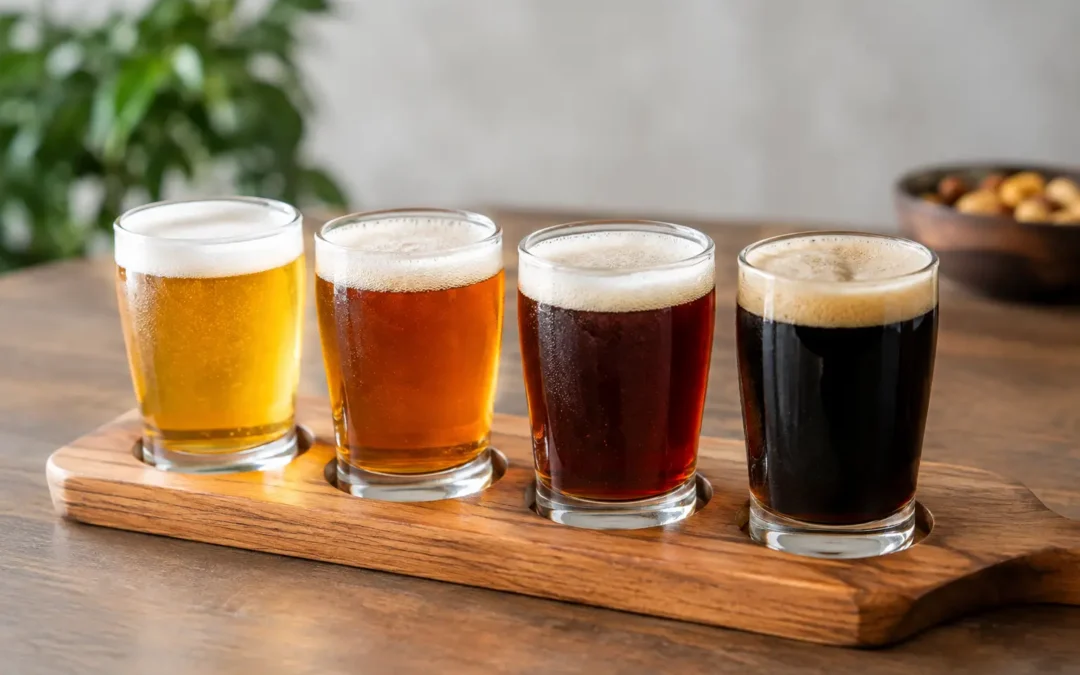
Take a look before the first sip. Color offers a clue, not a verdict. Pale gold beers often lean crisp, grainy, citrusy, or floral, while amber and brown beers can bring toast, caramel, bread crust, cocoa, or nuts. A black beer might be roast-forward and dry, or it may taste smooth and chocolatey. Appearance helps set expectations, but it should never make them for you.
Notice the head and carbonation, too. A fluffy, lasting foam can carry aroma and give a beer a soft texture. Brisk bubbles often make a beer feel refreshing and dry. A creamy pour may feel fuller and smoother. These details are part of the experience, not just decoration on top.
The Beer Tasting Guide: Smell, Sip, Notice
Your nose does a lot of the work before the beer reaches your palate. Bring the glass close, take a short sniff, then a slightly deeper one. Do not overthink it. Ask yourself one simple question: what does this remind me of?
With hop-forward beers, you may find citrus peel, grapefruit, pine, tropical fruit, melon, fresh herbs, or a light dank note. Malt-driven beers can suggest crackers, honey, toast, caramel, coffee, chocolate, or biscuit. Yeast can contribute pepper, clove, banana, bubblegum, or a rustic farmhouse character. Sour beers may smell like lemon, berries, stone fruit, or yogurt-like tang.
Then take a modest sip and let it travel across your whole tongue before swallowing. The first taste is only one part of the story. Pay attention to how the beer changes from the opening sip to the finish. A blonde ale may begin softly sweet and finish clean. An imperial IPA may start with bright fruit, build into resinous bitterness, and leave a warming sensation behind. A stout might open with cocoa and coffee, then finish dry rather than sugary.
When you are deciding whether you like a beer, think about four things: flavor, balance, mouthfeel, and finish. Flavor is the obvious one – fruit, malt, roast, spice, citrus, and more. Balance is how those pieces work together. Mouthfeel is the beer’s texture: crisp, creamy, silky, chewy, prickly, or light. Finish is what stays with you after the swallow. A clean, quick finish can make a beer highly drinkable, while a lingering bitter or roasty finish can make each sip feel more deliberate.
Bitterness Is Not the Same as Flavor
One of the most common beer misconceptions is that IBUs tell you exactly how bitter a beer will taste. IBUs measure bittering compounds, but your palate experiences beer as a whole. A high-IBU IPA with generous fruit-forward hops and a sturdy malt base may taste softer than a lean, dry pale ale with fewer IBUs.
If a beer seems bitter, try to identify the kind of bitterness. Is it grapefruit peel? Pine resin? Herbal and earthy? Sharp and lingering? Or is it balanced by sweetness, fruit character, or a fuller body? Those answers will tell you far more about your preferences than a single number on a menu.
The same goes for “sweet.” A beer can smell like vanilla, coconut, or dark chocolate without finishing sweet. Lactose, higher alcohol, specialty malts, and residual sugars can create a richer impression, but a well-made stout or porter may still end dry and balanced. Taste the finish before deciding where the beer lands.
Learn Styles Without Letting Them Boss You Around
Styles are useful shorthand. They help you choose a starting point, especially when a tap list offers everything from a clean cream ale to a tart sour and a big imperial IPA. But styles are broad families, not strict instructions for your palate.
If you usually reach for a lighter beer, try a blonde ale, cream ale, kölsch-style beer, or a well-made lager. Look for words such as crisp, clean, refreshing, bread-like, or lightly floral. These beers often pair easily with food and work well when you want a second round without palate fatigue.
For hop fans, pale ales and IPAs offer a wide range. West Coast-inspired IPAs often lean drier, clearer, piney, and firmly bitter. Hazy IPAs may bring softer texture and juicy fruit aromas, though they are not automatically sweet or low in bitterness. If you enjoy orange, mango, pineapple, or peach notes, follow those flavor cues rather than ordering by style name alone.
Darker beer drinkers have plenty of range, too. Porters may feature chocolate, roast, and nutty notes with a lighter body than expected. Stouts can run from dry and coffee-like to decadent and dessert-inspired. If you want depth without heaviness, ask for something roasty but dry, or a dark lager with smooth malt character and a clean finish.
Sour ales deserve their own approach. A balanced sour should taste bright and intentional, not simply harsh. Some are gently tart and fruit-forward; others are sharp, funky, or wild. If you are new to the category, start with a fruit-forward sour and take smaller sips. Tartness can wake up the palate quickly, especially alongside rich food.
Use Food to See Beer Differently
Beer and food do not need to match perfectly to work well. Sometimes the best pairing is contrast. A crisp lager cuts through the richness of a smash burger. A citrusy IPA can brighten salty fries and spicy sauces. A malty amber or stout can echo the char on grilled meat, while a tart sour can refresh your palate between bites.
The trade-off is intensity. A delicate beer can disappear next to a heavily seasoned dish, and an aggressively bitter beer can make heat feel hotter. If your meal has big flavors, choose a beer with enough presence to stay in the conversation. If the beer is the main event, keep the food simple and let the glass lead.
At South Park Brewing, that can mean following a burger with something crisp and clean, or choosing a fuller ale when you want the malt and char to play together. There is no single correct pairing. The useful question is whether each bite makes you want another sip.
Make Your Next Order More Interesting
The easiest way to build your beer vocabulary is to compare two beers that are different in one clear way. Try a pale ale next to an IPA, a blonde ale beside a lager, or a porter alongside a stout. A flight can help, but it works best when you avoid tasting six huge beers back-to-back. Your palate gets tired, and stronger, sweeter, or hoppier samples can overshadow subtle ones.
Taste from lighter and cleaner flavors toward darker, hoppier, stronger, or tarter pours. Take a sip of water between samples. If you are tasting with friends, talk about what you notice before checking the menu description. One person may get orange zest while another gets pine needles, and both can be right.
Keep a mental note of specifics. Instead of saying, “I like IPAs,” try, “I like dry IPAs with grapefruit and pine, but not overly sweet ones.” Instead of writing off dark beer, you may find that you like coffee-like stouts but not syrupy ones. Those small distinctions make ordering easier and make every new tap list feel less like a gamble.
Next time a bartender asks what you like, give them a flavor direction, not just a style name. Tell them you want crisp and light, chocolatey but dry, juicy without much bitterness, or tart with real fruit character. That opens the door to better recommendations – and possibly the pint you did not know you were looking for.