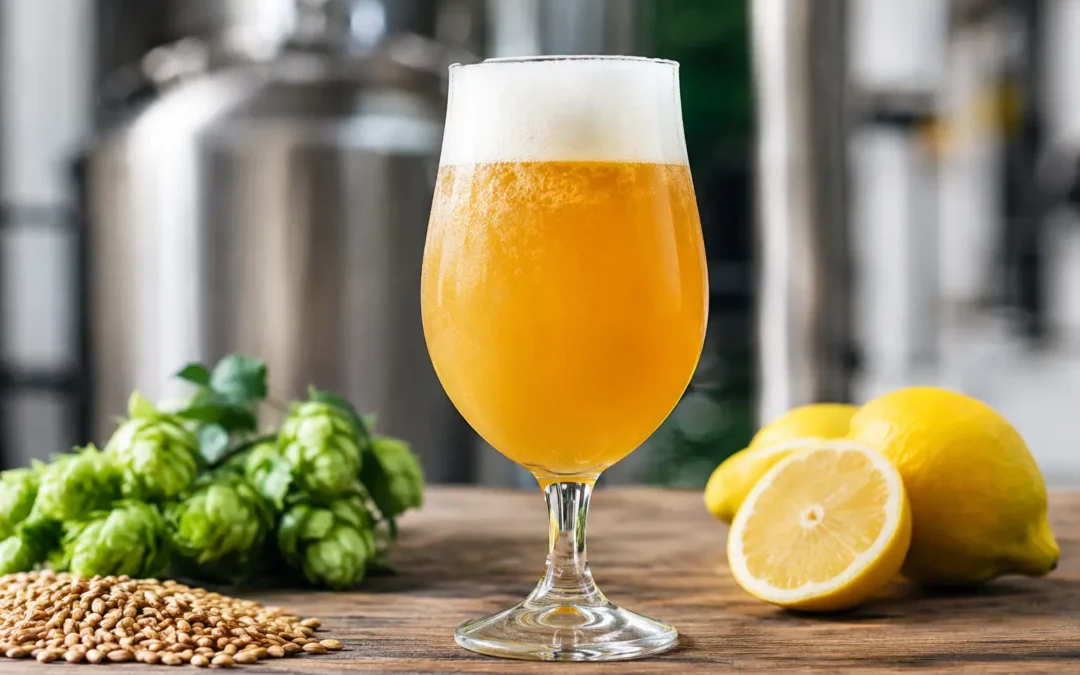
That bright, lip-puckering snap in a sour ale is not an accident. When people ask what makes a beer sour, the short answer is acid. The better answer is that a brewer has several ways to build that acidity, and each one creates a very different beer in the glass.
Some sours are clean, light, and lemony. Others are funky, earthy, and layered with fruit, oak, or a little barnyard character. They all have a place at the table, especially when you want something refreshing enough for a sunny patio but interesting enough to slow down and taste.
What Makes a Beer Sour, Exactly?
Sourness comes from organic acids, most often lactic acid. It is the same family of tang you might recognize in yogurt, sauerkraut, or a tart piece of fruit. In beer, that acidity lowers the pH and creates the crisp, puckering sensation associated with sour styles.
A brewer can introduce acid through specific bacteria, through a carefully controlled fermentation process, or by adding ingredients that bring natural tartness. The method matters because acidity is only one part of flavor. A sour beer can also be fruity, dry, sweet, salty, bitter, oaky, funky, or spicy.
That is why two beers labeled “sour” can taste nothing alike. One may drink like a bright citrus refresher, while another feels like a complex wine-adjacent pour meant for slow sipping.
The Tiny Organisms Behind the Tang
Most beer is fermented with brewer’s yeast, usually a strain of Saccharomyces. Yeast turns sugar into alcohol and carbon dioxide, but traditional brewing yeast does not typically create enough acid to make beer noticeably sour.
For that tart edge, brewers often rely on bacteria, particularly Lactobacillus and Pediococcus. Lactobacillus produces lactic acid relatively quickly and cleanly, making it a popular choice for fresh, bright sour beers. Pediococcus can produce more acidity over a longer timeline and is often used in mixed-fermentation beers, where it has time to develop deeper flavors.
Then there is Brettanomyces, usually shortened to Brett. Brett is a wild yeast rather than a bacteria, and it does not automatically make beer sour. What it can do is add character: think tropical fruit, leather, hay, earthy funk, or a dry finish. Used alongside acid-producing bacteria, Brett can make a beer feel more expressive and complex.
These microbes require care and control. In a brewery, equipment handling and fermentation planning matter because the same bacteria that make an excellent sour can create problems if they enter a beer that is supposed to be clean and crisp. Great sour brewing is creative, but it is never careless.
Kettle Sours Are Bright, Fast, and Approachable
Kettle souring is one of the most common ways to produce a modern sour beer. Before the wort, or unfermented beer, gets its main boil, the brewer allows Lactobacillus to acidify it in the kettle. Once the desired tartness is reached, the wort is boiled to stop the souring process, then fermented with regular brewing yeast.
The result is usually clean, predictable, and refreshingly tart. This approach works especially well for beers built around citrus, berry, peach, mango, or other fruit flavors. It also gives brewers a faster turnaround than long mixed fermentation, which means a taproom can offer rotating sour releases with plenty of seasonal personality.
The trade-off is depth. A well-made kettle sour can be lively and delicious, but it generally will not carry the same evolving, rustic complexity as a beer aged for months or years with mixed cultures. That is not a flaw. It is simply a different target.
Mixed Fermentation Takes Its Time
Mixed-fermentation sour beers combine traditional brewer’s yeast with bacteria and sometimes Brett. These beers often spend months aging in tanks, foeders, or barrels while the cultures slowly transform the beer.
Time gives the organisms room to work on more than just sugar. They create subtle acids, aromas, and dry finishing notes that can make each sip feel a little different from the last. Oak aging can add vanilla, spice, tannin, or a soft woody structure. Fruit additions may become more integrated instead of tasting like a sweet add-on.
This style of brewing rewards patience, but it also comes with less certainty. Fermentation can take unexpected turns, barrel character varies, and the final balance may need close attention. For drinkers, that unpredictability is part of the appeal. A mixed-fermentation sour can be one of the most distinctive beers on a menu.
Fruit Can Add Tartness, but It Does Not Do All the Work
Fruit is often the first flavor people notice in a sour beer, but fruit alone does not necessarily make the beer sour. Raspberries, cherries, blackberries, passion fruit, and citrus can all bring their own acidity, while peaches and mangoes can make a beer seem sweeter and softer even when the pH is low.
A brewer has to balance fruit with the base beer. Too much fruit can cover up the fermentation character or push the beer toward juice-like sweetness. Too little can leave the beer tasting thin, especially if the acidity is aggressive. The best fruit sours usually have a clear fruit identity without losing their beer character.
This is also where expectations matter. A heavily fruited sour may look vibrant and smell like a smoothie, but it can still finish dry and tart. On the other hand, some versions contain lactose or other ingredients that add body and sweetness, creating a softer, creamier impression. Neither approach is automatically better. It depends on whether you want a sharp refresher or a fuller dessert-like pour.
Sour Does Not Mean Spoiled
A sour beer is intentionally acidic. A spoiled beer is unintentionally flawed. The distinction matters.
When souring cultures are used with skill, the result can be bright, clean, and balanced. But unwanted contamination may bring harsh vinegar notes, plastic-like aromas, medicinal flavors, or an unpleasantly muddy profile. Acetic acid, the acid associated with vinegar, can be welcome at low levels in a few traditional styles, but too much can overwhelm the beer.
There is also a difference between sourness and oxidation. A beer that tastes like wet cardboard, stale sherry, or muted fruit is not necessarily sour. It may simply be old or improperly stored. Freshness matters, particularly for hop-forward and fruit-forward sours, where the flavors are meant to pop.
Why Sour Beers Taste So Refreshing
Acidity wakes up the palate. It makes fruit seem brighter, cuts through rich food, and encourages another sip. That is why a crisp sour can be such a strong match for salty fries, spicy wings, rich cheese, or a smash burger with all the fixings.
Carbonation also plays a role. Many sour beers are highly carbonated, which adds lift and makes the acidity feel even sharper. A lower-alcohol sour can be easygoing and sessionable, while a stronger barrel-aged version may bring more weight, warmth, and complexity.
Temperature changes the experience, too. Served very cold, a sour beer often feels snappy and clean. As it warms slightly, fruit, oak, and fermentation notes become easier to notice. If a beer tastes overly sharp on the first sip, give it a minute. The balance may open up.
Finding the Sour Style That Fits Your Taste
If you are new to sour beer, start with a lighter kettle sour or a fruit-forward sour ale. Look for familiar flavors such as lemon, raspberry, strawberry, or peach, and expect a clean tart finish. If you enjoy wine, cider, farmhouse ales, or funky cheese, mixed-fermentation and barrel-aged sours may be more your speed.
If you tried one sour and did not love it, that does not mean the whole category is not for you. You may prefer less acidity, more fruit, no funk, or a drier finish. Sour beer is a broad lane, not one flavor.
The next time you are choosing a pour, ask what kind of sour experience it offers: quick and bright, fruit-heavy and soft, or layered and wild. At South Park Brewing, that kind of curiosity is always welcome. Grab a sour alongside something savory, compare notes with your table, and let your own palate decide where the pucker hits just right.