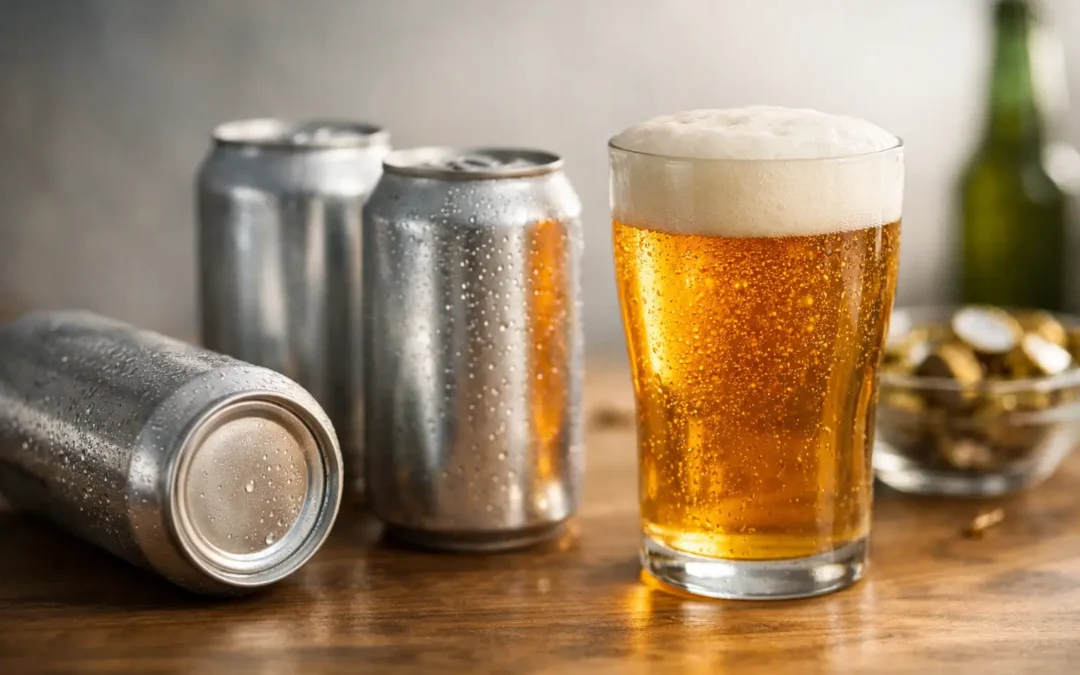
That IPA in the back of the fridge may still be perfectly drinkable, but it might not be the beer the brewer intended you to taste. Beer freshness dates give you a useful clue about what is in the can or bottle, especially when you are choosing between a bright new release and something that has spent a few extra months on the shelf.
The catch is that there is no single universal date system in craft beer. One brewery may print a packaged-on date, another may use a best-by date, and a third may use a coded production number. Knowing the difference helps you pick a fresher pour, store it better at home, and get more out of every style.
How to Read Beer Freshness Dates
A packaged-on date tells you when the beer was canned or bottled. For most shoppers, this is the most helpful number because it lets you judge age for yourself. If a hazy IPA was packaged three weeks ago, you can reasonably expect it to be closer to its intended bright, aromatic character than one packaged six months ago.
A best-by date is different. It is the brewery’s recommendation for when the beer should still show well, assuming it has been stored properly. It is not a switch that flips at midnight. Beer does not suddenly become bad the day after that date, but its flavor may begin moving away from the brewer’s target.
Some packages use a production code instead of plain language. These can be hard to interpret unless the brewery explains its system. Look for a sequence of numbers near the bottom of a can, on the neck of a bottle, or along a case carton. When the date is unclear, ask at the store or choose a package with a clearly marked date instead. Freshness should not require detective work.
Fresh Does Not Mean the Same Thing for Every Beer
Beer age matters, but the ideal window depends on style. The word fresh gets used as if every beer needs to be consumed immediately. That is not quite right.
Hop-forward beers are usually at their best early. IPAs, pale ales, and dry-hopped lagers rely on delicate aroma compounds that fade over time. Citrus, pine, tropical fruit, and fresh floral notes can soften quickly, while bitterness may feel sharper or less balanced. For these beers, a packaged-on date is especially valuable. Buying within a few weeks or a couple of months is often a smart move, depending on the brewery’s guidance and how the beer has been handled.
Lighter, clean styles such as blonde ales, cream ales, pilsners, and many lagers also benefit from freshness. Their flavors are more subtle, so small changes can be easier to notice. A stale note, muted malt profile, or loss of crispness has fewer big flavors to hide behind.
Dark, malt-forward, and higher-alcohol beers often have more room to evolve. A stout, barleywine, or strong Belgian-style beer may stay enjoyable for months or even years when stored well. Some develop deeper notes of caramel, dried fruit, cocoa, or sherry-like richness with time. That does not mean every big beer should be aged. It means the best drinking window is style-specific, not one-size-fits-all.
Sour beers are another case where it depends. A clean kettle sour with bright fruit may be best young, while a carefully made mixed-fermentation beer can develop in interesting ways. The brewery’s own recommendation is the best guide whenever one is available.
Freshness Is About Flavor, Not Just Safety
A beer past its date is not automatically unsafe. Commercial beer is naturally protective in several ways: it has alcohol, a lower pH than many foods, and is packaged to limit contamination. If a sealed can or bottle has been stored normally, an older beer is more often a quality question than a safety emergency.
Still, use common sense. Do not drink beer from a swollen can, a leaking package, or a bottle with a damaged seal. If it smells sharply off, tastes unusually sour when it should not, or gushes dramatically after a normal opening, set it aside. A little sediment in some bottle-conditioned beers can be normal, but unexpected signs combined with a strange aroma are a reason to skip it.
Most often, age shows up as staleness rather than danger. Oxidized beer may taste like wet cardboard, paper, honey, bruised fruit, or dull caramel. In hop-forward beer, the first sign is often simpler: it just tastes tired. The lively aroma is gone, and the finish feels flatter than it should.
What Makes Beer Age Faster?
The date on a package is only part of the story. Storage conditions can make a relatively young beer taste older, while cold, careful storage can help it hold up well.
Heat is the biggest problem. Beer left in a hot car, garage, sunny patio, or warm storeroom can deteriorate faster than beer kept cold. Temperature swings are not ideal either. A can that repeatedly warms up and cools down has a tougher road than one held at a steady temperature.
Light can also cause trouble, particularly for clear and green bottles. Bright light can create a skunky aroma in hop-containing beer. Brown glass offers more protection, while cans block light completely. That is one reason a refrigerated can is a dependable choice when you want the freshest version of a hop-driven beer.
Oxygen is another enemy of fresh flavor. Brewers work hard to keep oxygen out during packaging, but tiny amounts can still affect beer over time. Once you open a beer, the clock speeds up. Enjoy it that day rather than saving a half-finished can for tomorrow if you want the best flavor.
How to Buy Better Beer at the Store
When you are standing in front of a cooler, start with the date and then consider the style. For an IPA or a fruited sour, reach for the freshest package available. For a stout or stronger ale, you can be more flexible, especially if you know it has been stored cold.
Check where the beer is sitting. A refrigerated display is generally better for beers that depend on fresh hop aroma. If cans have been sitting in direct sun or a warm window display, a newer date does not erase that storage concern.
Buy quantities you will actually enjoy within the beer’s best window. It can be tempting to stock up on a favorite release, but a four-pack that sits for months is rarely as exciting as one shared with friends soon after purchase. For special bottles meant for aging, make that choice intentionally and keep them somewhere cool, dark, and stable.
At home, refrigerate beer if you can, especially IPAs, lagers, and anything with fresh fruit or dry-hop character. Store cans and bottles upright to reduce surface contact with oxygen in the package and to help sediment settle in beers that contain it. Keep them away from direct light, and resist the urge to move them between a warm pantry and a cold fridge repeatedly.
The Best Date Is a Better Beer Experience
Freshness dates are not there to make buying beer stressful. They are there to help you match the beer in your hand with the experience you want. A crisp lager should taste crisp. A hazy IPA should carry the aromatic pop that made you reach for it. A rich stout should feel full and layered, whether you drink it fresh or save it for a thoughtful occasion.
When you visit a brewery taproom, you remove much of the guesswork. Beer is typically served close to release, stored under the right conditions, and poured by people who know how it is meant to taste. At South Park Brewing, that makes it easy to pair a fresh pint with a smash burger and settle in with your crew.
Next time you pick up beer, take two seconds to look at the package date. It is a small habit, but it can turn an ordinary purchase into the bright, balanced, brewery-fresh pour you were hoping for.