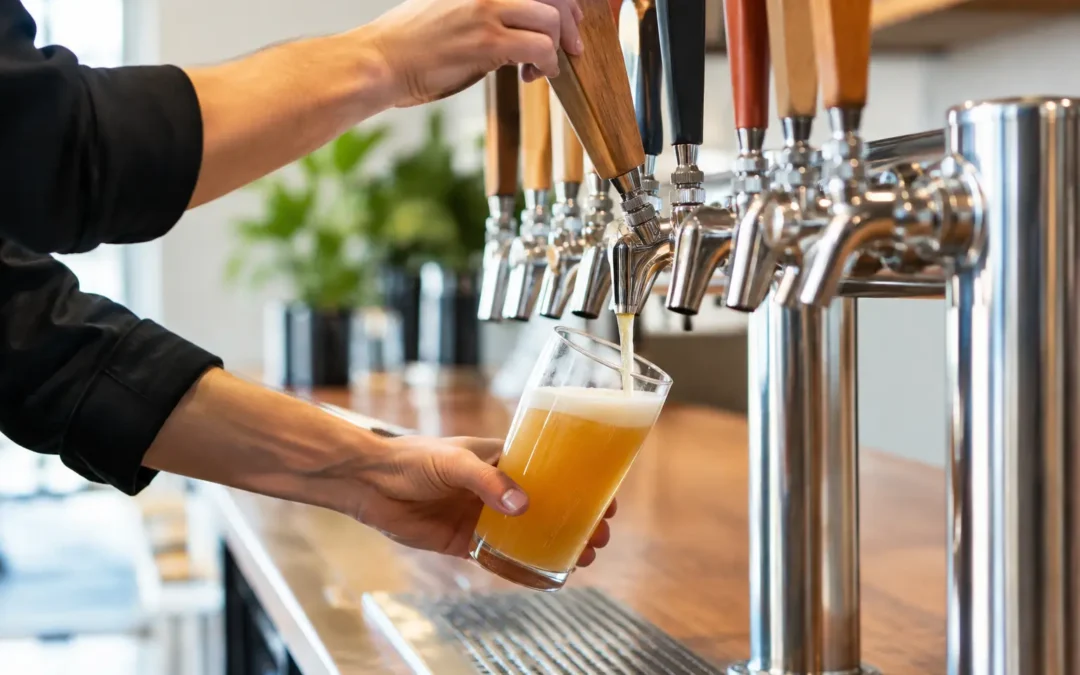
A tap list is more than a menu. It is a snapshot of what a brewery is excited to pour right now. So, why do breweries rotate taps? Because great beer is meant to be enjoyed fresh, because Colorado seasons practically demand their own glassware, and because regulars deserve a reason to ask, “What’s new?” every time they walk through the door.
At a good brewpub, rotation is not change for change’s sake. It is a balance between dependable favorites and the small-batch surprises that make a night out feel like an occasion. One visit might call for a crisp lager with a smash burger; the next might introduce a bright sour, a rich stout, or an IPA brewed for hop fans who like a little edge in their pint.
Why Do Breweries Rotate Taps?
The simple answer is variety. The better answer is that rotation lets a brewery serve beer at its best while giving drinkers more ways to find something they love.
Beer is a fresh product, especially hop-forward styles. An IPA that tastes lively, aromatic, and citrusy close to release can lose some of that bright character as time passes. Rotating a tap list helps a brewery move through beer thoughtfully and make room for the next batch when it is ready. That means the pour in your glass has a better chance of tasting the way the brewer intended.
Rotation also keeps the experience welcoming for different kinds of guests. The person who always orders a light, easy-drinking blonde or cream ale should be able to find a familiar lane. The person scanning the board for something new should have a few fresh options to consider. A thoughtful list can do both without turning the taproom into a guessing game.
For a brewery, the taps are also a live conversation with the community. When a seasonal beer sells quickly, when a limited release becomes a staff favorite, or when guests keep asking for a style to return, that feedback matters. The next batch can reflect what people genuinely enjoy, not just what looks good on paper.
Freshness Matters More for Some Beer Styles
Not every beer has the same ideal drinking window. That is one reason a rotating lineup makes sense.
Hop-heavy beers often shine when they are young. Fresh hops bring aroma and flavor that can suggest citrus, pine, tropical fruit, melon, or a little dank bite. Those notes do not necessarily disappear overnight, but they evolve. Keeping taps moving allows breweries to put attention on recently packaged or recently brewed beers while they are still showing off.
Lighter styles also benefit from careful turnover. A clean lager, cream ale, or blonde ale is built on balance. There is nowhere for off flavors or tired ingredients to hide. When a simple beer is fresh and well-made, it feels crisp, refreshing, and exactly right with a plate of pub food.
Then there are beers that can develop differently over time. Some stronger stouts, barrel-aged releases, and certain sour ales may change in interesting ways as they rest. But that does not mean every dark or high-alcohol beer should sit indefinitely. Brewers still make decisions based on the recipe, storage conditions, and flavor profile they want guests to experience. Rotation gives them control over that timing.
Seasons Give Brewers a Reason to Play
In Colorado Springs, the weather can make a sunny patio afternoon and a cold-weather comfort-food night feel like they belong in the same week. A rotating tap list lets the beer lineup keep pace.
Warm months invite crisp lagers, bright wheat beers, fruit-forward sours, and easygoing patio pours. When the temperature drops, fuller stouts, warming imperial ales, and maltier seasonal beers have their moment. Fall might bring deeper caramel or spice notes, while spring can make a clean, floral, or citrusy release feel especially welcome.
Seasonal brewing is not just about adding pumpkin or tossing a holiday name on a tap handle. Done well, it gives a brewery a chance to use ingredients and flavor ideas that fit the time of year. It also prevents the menu from feeling frozen in place. Guests who stop in several times a month should see a beer program that feels active, not repetitive.
There is a practical side, too. Seasonal releases help a brewery plan production around changing demand. A heavier beer may move faster during chilly evenings, while a crushable lager might take center stage during a busy weekend on the patio. The goal is not to chase every trend. It is to offer the right mix for how people are gathering, eating, and drinking.
Limited Releases Keep the Taproom Interesting
Some beers are meant to be around all year. Others are better as a short, memorable run.
Limited releases give brewers room to experiment with new hop combinations, specialty malts, fruit additions, yeast strains, and techniques. They can test a bold idea without committing an entire production schedule to it. For guests, that means there is always a chance to taste something they may never see in quite the same form again.
That sense of discovery is part of what makes local beer culture fun. Maybe a small-batch sour becomes your surprise favorite. Maybe a one-time imperial IPA introduces you to a hop you had never tried. Maybe a dark beer makes you rethink what a stout can taste like. Rotating taps encourages those low-stakes, high-reward decisions: order a flight, ask for a sample, and try something outside your usual pick.
Of course, novelty has a trade-off. If every tap changes constantly, guests can miss the beers they count on. A brewery that removes all familiarity can make regulars feel like they are chasing a moving target. The strongest tap lists usually keep a core of recognizable options while making a few spaces available for seasonal and limited releases.
Rotation Helps Pair Beer With Food
A brewpub serves more than pints, and a flexible beer list creates better opportunities at the table.
A clean lager can cut through the richness of a smash burger and salty fries. A hoppy IPA can stand up to a spicy sandwich or a bold sauce. A darker malt-forward beer can bring roasted, chocolatey notes that feel right alongside savory comfort food. A tart sour can offer contrast when a meal needs something bright and palate-cleansing.
This is another reason breweries do not simply make one beer and leave it on every tap forever. Different foods, occasions, and appetites call for different pours. The guest meeting friends after work may want an easy pint. The beer fan coming in specifically to explore may want a flight. The table splitting burgers may each find a completely different pairing that works.
At South Park Brewing, that mix is part of the experience: quality craft beer with approachable food and a reason to settle in with your people. A rotating list lets the kitchen and brewhouse create more possibilities together, whether you are ordering a familiar favorite or picking the newest release off the board.
What a Good Rotating Tap List Should Still Offer
Rotation does not mean chaos. A well-run brewery usually builds its menu around a few anchors: an accessible light beer, something hoppy, a malt-forward option, and a couple of choices that show personality. From there, seasonal releases and experimental batches can move in and out.
For guests, the best approach is simple. If you know what you like, start there and ask what is closest on the current list. If you want to branch out, tell the bartender what you normally drink and what flavors you avoid. “I like crisp beers but not bitter ones” or “I want something dark that is not too sweet” gives them something useful to work with.
Flights can be especially helpful when the tap board has several unfamiliar options. A few smaller pours let you compare styles, notice what catches your attention, and land on a full pint with confidence. There is no prize for choosing the most intense beer on the board. The right beer is the one you want another sip of.
The next time a favorite has rotated off, consider it an invitation rather than bad news. There may be a fresh batch around the corner, a seasonal pour that fits the day perfectly, or a new beer that earns a permanent spot in your own personal lineup.