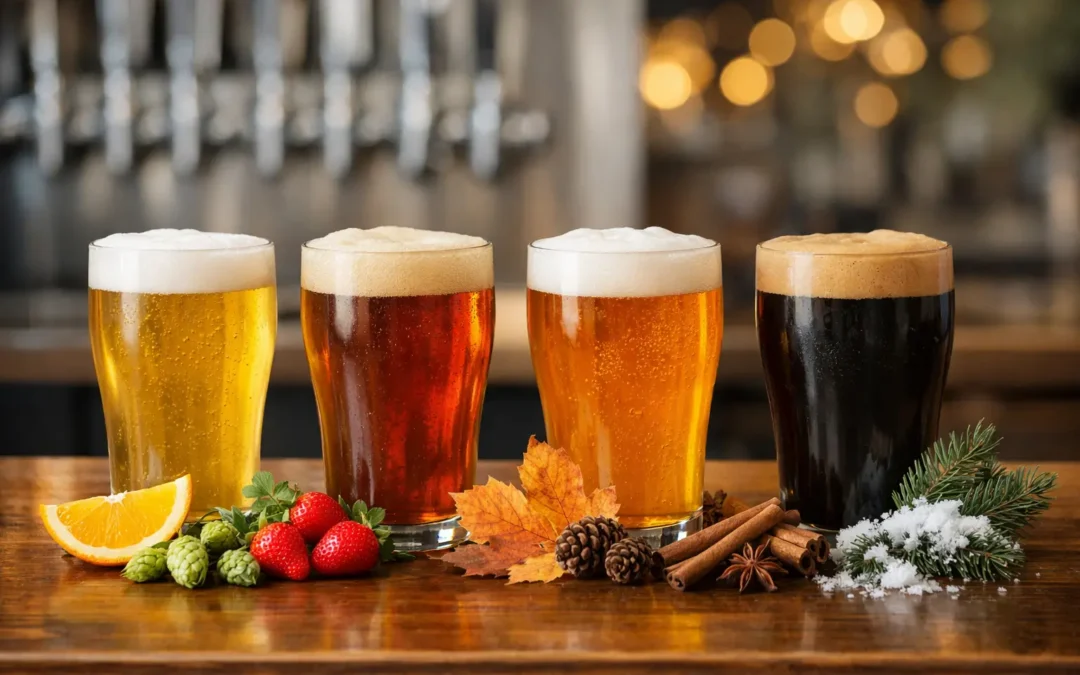
A great tap list should give regulars a reason to look twice. That is the real value of a guide to seasonal beer rotations: it helps a brewery keep familiar favorites in the mix while making room for the beer that feels right for the weather, the menu, and the mood in the room.
In Colorado Springs, that can mean a sunny patio afternoon followed by a cold evening in the same week. A seasonal rotation is not a rigid calendar exercise. It is a smart way to keep pours fresh, food pairings interesting, and every visit worth repeating.
Start With a Dependable Core
Seasonal beers work best when guests can still count on a few familiar options. A balanced core lineup gives people an easy entry point: a crisp lager or cream ale, a dependable blonde, a hop-forward IPA, and a darker beer for people who want roast, chocolate, or coffee notes.
Those steady taps do more than serve loyal customers. They create a reference point for the rotating beers. When someone who usually orders a blonde asks what is new, the staff has a natural place to start: try this bright spring ale, this fruit-forward sour, or this lighter seasonal lager.
The exact number of year-round beers depends on the size of the tap list and how much brewing capacity is available. A smaller program may keep three or four anchors. A larger brewpub can support more. The goal is not to make every tap permanent. It is to make the whole list feel intentional.
Build Rotations Around How People Actually Drink
The calendar is useful, but customer behavior matters more. People tend to reach for crisp, refreshing beers when the patio is full, while colder nights make maltier, richer pours more appealing. That does not mean an imperial IPA has to disappear in July or that a light lager cannot shine in December. It means the lineup should make sense at a glance.
Spring: Bright, Crisp, and Ready for the Patio
Spring is a good time to clear the palate after heavier winter drinking. Blonde ales, pilsners, cream ales, dry-hopped lagers, and bright sours all fit naturally here. Citrus, berry, and light floral notes can feel seasonal without turning every beer into a fruit cocktail.
This is also a strong moment for approachable limited releases. Guests are eager to try something new, but they may not want a big, heavy pour. Keep the alcohol level and flavor intensity comfortable enough for an afternoon with friends, a burger basket, or a post-work pint.
Summer: Refreshment Comes First
Summer rotations should give people a reason to order another round. Crisp lagers, easy-drinking pale ales, wheat-forward beers, and tart sours belong in the conversation. A hazy IPA can still earn its tap handle, especially for hop fans, but the list should not lean so heavily on high-ABV beer that it feels like a challenge on a hot day.
Consider how the beer performs in a full, lively room. Can it be enjoyed slowly on the patio? Does it pair with salty fries, a smash burger, or a spicy appetizer? Does the flavor stay clean as the beer warms slightly? These practical questions matter as much as the recipe description.
Fall: Bring Back Malt and Hop Depth
Fall earns its reputation for amber ales, brown ales, märzens, porters, and richer IPAs. The trick is to bring in deeper flavor without making every tap feel heavy. Toasted bread, caramel, biscuit, and piney hop character can signal the season while still leaving room for a crisp lager or a bright pale ale.
Pumpkin beer has its fans, but it should not be treated as a requirement. If it fits the brewery’s style and guests ask for it, make it worth ordering. If it does not, a well-made amber, spiced ale, or harvest-inspired IPA can carry the same fall energy with more flexibility at the table.
Winter: Give Guests Something to Settle Into
Winter is where stouts, porters, winter warmers, and strong ales can take center stage. A coffee stout alongside dessert, a silky oatmeal stout with a burger, or a bold imperial IPA after a long day can turn a casual visit into a lingering one.
Still, not everyone wants a 10% beer in December. Keep at least one bright, lower-ABV option on tap. A clean lager or crisp pale beer gives groups more choices and keeps the list welcoming for guests who want flavor without the weight.
Let Food Help Shape the Tap List
A brewpub rotation should not be planned in isolation from the kitchen. Beer and food do not need to be precious, but they should work together. A crispy lager cuts through the richness of a smash burger. A citrusy sour can wake up fried food. A stout can bring a deeper, roasted edge to a meal built around charred meat, caramelized onions, or a chocolate dessert.
That does not mean every beer needs a formal pairing note. It means the staff should be able to make useful, confident recommendations. When a guest asks what goes with a burger, a simple answer like a cream ale for easy refreshment or an IPA for a sharper hop contrast is more helpful than a long lecture about flavor theory.
Seasonal food specials also create a natural reason for a short-run beer. A fresh summer dish might call for a tart ale, while a hearty winter feature could be a perfect match for a porter. The beer does not need to copy the food flavors. In fact, contrast is often more interesting.
Keep Variety Without Making the List Confusing
More options are not always better. A tap list stacked with similar hazy IPAs or several nearly identical dark beers can make it harder for guests to choose. A strong rotation creates contrast in style, color, bitterness, body, and alcohol level.
Before adding a seasonal beer, ask what role it will play. Is it the crisp option? The tart option? The big hop release? The malt-forward slow sipper? If it overlaps with an existing beer, there should be a clear reason to keep both, such as a meaningful difference in strength, flavor, or customer demand.
This is where a small amount of discipline pays off. Rotating beers should add energy, not clutter. Guests should be able to scan the board, spot something familiar, and quickly find one or two new choices that sound worth trying.
Release at the Right Pace
A seasonal beer needs enough time on tap for people to discover it. Pulling a release after one busy weekend can frustrate guests who heard about it late, while leaving a beer on too long can make the rotation feel stale. The right pace depends on production volume, tap count, and how quickly a particular style moves.
For many brewpubs, a mix of short-run releases and longer seasonal anchors works well. A summer lager might hold a spot for several weeks, while a small-batch sour or specialty stout can create excitement as a limited pour. This approach gives regulars something new without forcing the team to reinvent the entire board every Friday.
Pay attention to what actually sells, not just what gets the most attention online. A flashy release may draw a crowd on launch day, while an approachable seasonal ale may quietly become the beer people order with dinner all month. Both outcomes are valuable, but they call for different planning next season.
Train the Team to Tell the Beer Story Simply
The best seasonal rotation can fall flat if guests do not understand what is new or why they should care. Staff do not need to memorize a brewer’s notebook. They need a few clear details: what the beer tastes like, who will probably enjoy it, how strong it is, and what food it goes well with.
Keep descriptions direct. Instead of leading with a long ingredient list, lead with the experience: crisp and citrusy, smooth and roasty, tart with ripe berry character, or bold and piney. Then offer a sample when it makes sense. A small taste is often the difference between a guest ordering their usual and finding a new favorite.
Make Each Rotation Feel Like a Reason to Return
Seasonal beer is not just about chasing novelty. It is about giving the taproom a rhythm. A new release can bring friends together after work, make a weekend lunch feel more festive, or give a regular a fresh answer to the question, What is new?
At South Park Brewing, the best rotation is one that feels as welcoming as the room itself: quality beer, good food, and enough variety for everyone at the table. Keep a few dependable pours close, make the seasonal choices purposeful, and let the next change on the tap list be an easy reason to gather again.