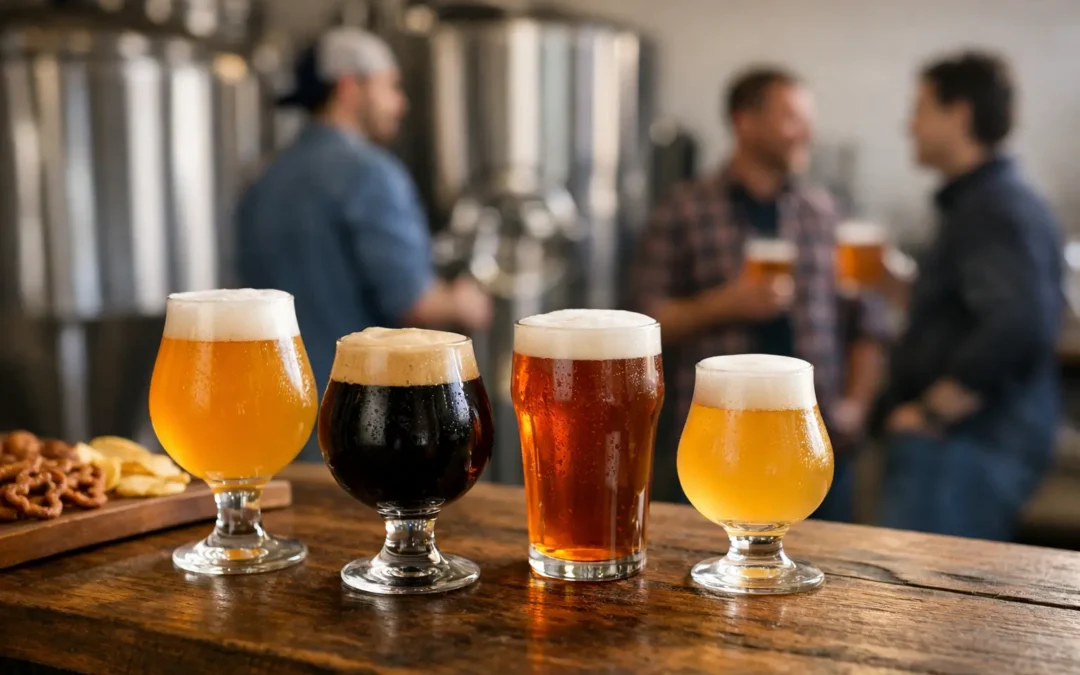
The best small batch beer releases create a little urgency in the best possible way: the tap is flowing now, the beer was made with a specific idea in mind, and the people at your table get to be part of the first round. It might be a bright hop-forward IPA, a roasty stout built for a cool Colorado evening, or a tart sour that makes a regular Tuesday feel less regular.
At a good brewpub, these releases are not just about chasing the newest thing. They are a reason to meet friends, order a burger, talk through what is in the glass, and come back for the next unexpected pour. Limited batches give brewers room to play, and they give beer drinkers a fresh reason to pull up a chair.
What Makes Small Batch Beer Releases Different?
Small-batch beer is brewed in a limited quantity rather than as a permanent, high-volume part of a brewery lineup. That can mean a one-time experimental beer, a seasonal return, a special version of a familiar style, or a beer made to highlight a particular ingredient.
The smaller run matters because it lets the brewing team take chances without committing every tank and tap handle to a single idea. A new hop variety can get the spotlight. A lager can spend extra time developing its clean, crisp character. A stout can take on coffee, cacao, or a deeper malt profile. Some ideas become crowd favorites and earn another run. Others are meant to be enjoyed once, remembered fondly, and replaced by the next good idea.
That is the fun of it. A flagship beer gives you something dependable. A small-batch release gives you something to talk about.
Why Limited Releases Feel More Personal
Beer tastes better when there is a story behind it, but that story does not need to be overly complicated. Sometimes it is as simple as a brewer wanting to see how two hop varieties work together. Sometimes it is a seasonal beer timed for patio weather, game day, or the first cold snap. Sometimes it is a richer, higher-proof pour that belongs next to a plate of comfort food and a long conversation.
Because the volume is limited, these beers often feel closer to the source. You are not picking one from a national shelf that has been there for months. You are trying a fresh pour where it was made, surrounded by people doing the same thing. For Colorado Springs beer drinkers, that local connection is part of the appeal. The release becomes an occasion, not just another purchase.
There is a trade-off, of course. If you fall in love with a small-batch beer, it may not be available forever. That is also what keeps the tap list interesting. A beer that is gone makes room for a fresh idea, and a returning favorite can feel like a proper reunion.
How to Choose a New Pour Without Overthinking It
You do not need a brewer’s vocabulary to enjoy a limited release. Start with what you already like, then move one step sideways from there. If you typically order a blonde or cream ale, a crisp lager or lightly fruited sour may be an easy next choice. If imperial IPAs are your usual move, try a different hop expression or a darker, maltier beer when you want something with more depth.
The easiest move is to ask what the beer is built around. Is it dry and refreshing? Juicy and aromatic? Smooth and chocolatey? Brightly tart? Those answers tell you more about your likely experience than a long ingredient list ever could.
A taster is useful when the style is unfamiliar or the beer is especially bold. There is no prize for ordering a full pint of something that does not fit your mood. Try a smaller pour, compare notes with your group, and save the full glass for the beer that earns it.
Freshness Matters, Especially for Hoppy Beer
Many small-batch beers are at their best close to release. This is especially true for hop-driven beers, where citrus, tropical fruit, pine, and floral aromas can be most expressive when the beer is fresh. That does not mean every beer should be rushed. Stouts, strong ales, and some lager styles can show beautifully over time. But when a brewery says a new IPA just hit the taps, that is a pretty solid reason to make plans.
Freshness is also why taproom releases have an edge. The beer is handled with care, served at the right temperature, and poured by people who can tell you what to expect. You get the full picture, not just a can and a guess.
Pair the Beer With the Moment and the Food
Small-batch releases do not have to be treated like a formal tasting. They are made for a casual night out, a patio catch-up, a post-work pint, or a weekend table full of friends. The right pairing starts with how you want the beer to feel.
A crisp pilsner, lager, or blonde ale is an easy companion for a smash burger, fries, and plenty of conversation. Its clean finish keeps the meal from getting too heavy. A hop-forward IPA can stand up to salty, savory food and brings a bright contrast to rich toppings. Darker beers often shine alongside charred flavors, roasted meats, chocolate desserts, or anything that leans smoky and comforting.
Sours and fruit-forward releases can be especially good food beers because their acidity cuts through richness. They are not for every palate, and that is fine. A beer does not need to please everyone at the table to be a successful release. It only needs to give the right drinker a memorable first sip.
At South Park Brewing, the best approach is simple: bring your appetite along with your curiosity. A new tap and a signature smash burger make an easy case for turning one beer into a full night out.
Make Release Days Part of Your Local Routine
The most rewarding way to enjoy limited beer is to stay curious without making it complicated. Pay attention to new tap announcements, seasonal changes, and special events. If a release catches your attention, do not assume it will be waiting next month. Small batch means exactly that.
Going with a group makes it even better. Order a few different styles across the table, taste responsibly, and let everyone find their favorite. One friend may go straight for the imperial IPA while another finds a new go-to in a cream ale or sour. Shared pours turn a tap list into a conversation.
There is also value in becoming a regular at a local brewery. You start recognizing the rhythm of the place: which styles tend to return, when seasonal beers arrive, and which releases are likely to disappear fast. More importantly, you become part of the community that gives those beers a home.
The Best Beer Is Often the One You Can Get Right Now
Chasing rare beer for the sake of rarity can get exhausting. The better reason to seek out a limited release is that it offers a fresh experience made by people nearby, served in a place built for gathering. Some batches will become instant favorites. Others will simply be interesting, and interesting is still a good reason to raise a glass.
Next time a new beer lands on the board, trust your curiosity. Grab a seat, ask for a taste, pair it with something satisfying, and enjoy it while the batch lasts.