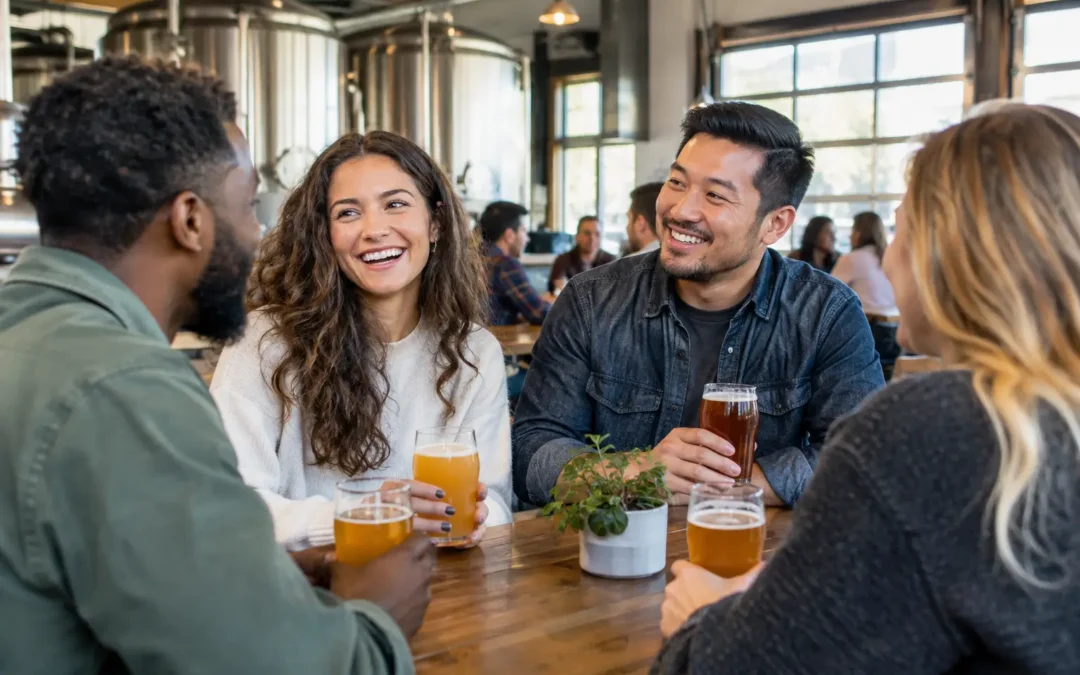
A packed patio is great. A room full of people who know each other, come back on purpose, and bring someone new next time is even better. The best taproom community building examples are not giant marketing stunts. They are repeatable reasons for neighbors to gather over a cold pint, a smash burger, and a little time away from the routine.
For a brewery, community is not a side project. It is part of the experience people are ordering. Great beer gets someone through the door. Friendly service, familiar faces, and a calendar with some personality give them a reason to make the taproom their spot.
Why Taproom Community Building Matters
A taproom can compete on beer quality, food, happy hour, patio space, or a new release. Those things matter. But they are also easy for a guest to compare from one stop to the next. Community is harder to copy because it comes from consistency and real local relationships.
When guests feel recognized, they stay longer, return more often, and recommend the place more naturally. They may show up for trivia, but they also order dinner. They may visit after a charity event, then come back for a birthday or a Saturday afternoon with the dog. Community programming supports the whole brewpub, from pint sales to takeout orders, without making every visit feel like a promotion.
It does take work. Events need staff attention, good communication, and a realistic budget. The goal is not to fill every night with something loud. The goal is to create a few dependable rituals that fit the neighborhood and make people glad they came out.
8 Taproom Community Building Examples to Borrow
1. Give a weekly gathering a permanent home
A recurring event is one of the simplest ways to turn occasional guests into regulars. Think trivia night, run club, bingo, board games, open mic, or a casual vinyl night. The exact format matters less than the reliability. When people know Wednesday means trivia and a burger special, making plans becomes easy.
Keep the experience approachable. Trivia should welcome the highly competitive team and the couple playing for laughs. A run club should have a route or pace that does not leave newcomers behind. Build in an easy reward, such as a post-event beer feature or food offer, but do not let the discount become the only reason to attend.
2. Host beer releases with a reason to stay
A new stout, crisp lager, sour ale, or imperial IPA can bring in craft beer fans. A release becomes more memorable when it gives people something to do beyond ordering the first pour. Pair the beer with a limited food feature, a brewer-led tasting, a local artist pop-up, or a short behind-the-scenes conversation about the ingredients and idea.
There is a trade-off here. Too much programming can make a release feel fussy, especially for guests who just want a relaxed beer after work. Keep it casual. A release should feel like a good excuse to meet up, not a lecture or a ticketed obligation every time.
3. Make local partnerships visible and useful
Community support lands best when it feels specific. Partner with a nearby nonprofit, youth sports team, animal rescue, neighborhood association, or school booster group on an event where guests understand what their participation supports.
A percentage-of-sales night can work, but clarity matters. Say what is being donated, when it applies, and how the organization will use the funds. Better yet, invite representatives to be there. Guests are more likely to connect with a cause when they meet the people doing the work.
Choose partners that fit the taproom’s values and audience. A random fundraiser every week can dilute the impact. A few thoughtful partnerships, repeated year after year, create a stronger local reputation.
4. Create an event people can bring their dog to
In a patio-friendly town, dog-friendly gatherings are a natural way to make a taproom feel open and neighborly. A dog adoption afternoon, pet photo day, or casual patio meetup gives guests a reason to stop by with the whole household.
The details matter. Keep water bowls filled, establish clear patio expectations, and make sure the event is comfortable for guests without dogs too. Partnering with a rescue can add a meaningful purpose while keeping the energy upbeat. A well-run dog event often introduces a taproom to people who may not have visited otherwise.
5. Invite local makers into the room
A taproom has built-in foot traffic, and local artists, makers, and small businesses have stories worth sharing. A small market, rotating wall art, or a pop-up table can introduce guests to the people creating things nearby. It also keeps the room feeling fresh without changing the core brewery experience.
Curate rather than crowd the space. A dozen vendors may be right for a seasonal market, while two or three are better for a normal weekend. Give each maker room to talk with guests, and make the event easy to browse with a beer in hand. The best version feels like a neighborhood hang, not a trade show.
6. Turn sports and milestones into shared occasions
Big games, local races, playoff runs, graduation weekends, and holiday weekends already give people a reason to gather. The taproom can make those moments easier with reserved group areas, a food-and-beer special, or a simple watch-party setup.
This does not require transforming the room into a sports bar every night. It means paying attention to the moments your regulars care about and meeting them there. A clear game-day food offer or a celebratory lager release can make a casual plan feel more intentional.
For private milestones, make group hosting straightforward. Friends planning a birthday, reunion, or work get-together want clear options, responsive communication, and food that travels well to a table. Hospitality builds community one celebration at a time.
7. Build a regulars program around recognition, not gimmicks
Loyalty programs can help, but a punch card alone does not make someone feel known. Train the team to learn names, remember a favorite style, and welcome returning guests without overdoing it. The person who always orders a blonde ale should feel just as valued as the person chasing every limited release.
If you offer a mug club or loyalty perk, make it easy to understand and worth participating in. Early access to select releases, a member gathering, or a birthday reward can be meaningful. Avoid adding so many rules that staff has to explain the program at every transaction.
The strongest benefit is still the human one: walking in and hearing, “Good to see you.”
8. Let guests help shape the taproom
A community does not only consume what a brewery creates. It has a chance to contribute. Invite feedback on a future beer style, let guests vote between two food specials, or ask local regulars which organization should receive a seasonal fundraiser.
Use this carefully. Not every decision should become a vote, and breweries still need a clear point of view. But a few real opportunities for input show guests that the taproom is listening. When a customer sees their idea on the menu or at an event, they become more likely to tell others about it.
How to Choose the Right Community Idea
Start with the people already coming through the door. Are they coworkers looking for an easy weeknight dinner? Dog owners enjoying the patio? Beer fans who follow rotating releases? Families meeting early in the evening? The most successful programming usually grows from what guests are already doing.
Then choose a rhythm your team can actually sustain. One excellent monthly fundraiser and one dependable weekly gathering will often outperform a crowded calendar of under-promoted events. Staff energy is part of the guest experience, so do not create programming that makes service harder on the busiest nights.
Promotion should be direct and timely. Name the event, say when it happens, explain why it is worth attending, and mention any food or beer feature that adds to the occasion. Afterward, pay attention to more than attendance. Did guests stay for dinner? Did new people return? Did the partner want to do it again? Those answers tell you what deserves a repeat.
Keep the Taproom Feeling Like a Taproom
Community events should support the main reason guests visit: good drinks, satisfying food, and a place that feels easy to enjoy. Leave room for the spontaneous Friday conversation, the low-key date night, and the group that simply wants burgers and a round of beers.
That balance is where a brewpub can shine. At South Park Brewing, the goal is simple: give people reasons to gather, then make them feel welcome enough to come back. The next great community night may start with a local partner or a fresh beer release, but it lasts because guests leave already talking about their next visit.