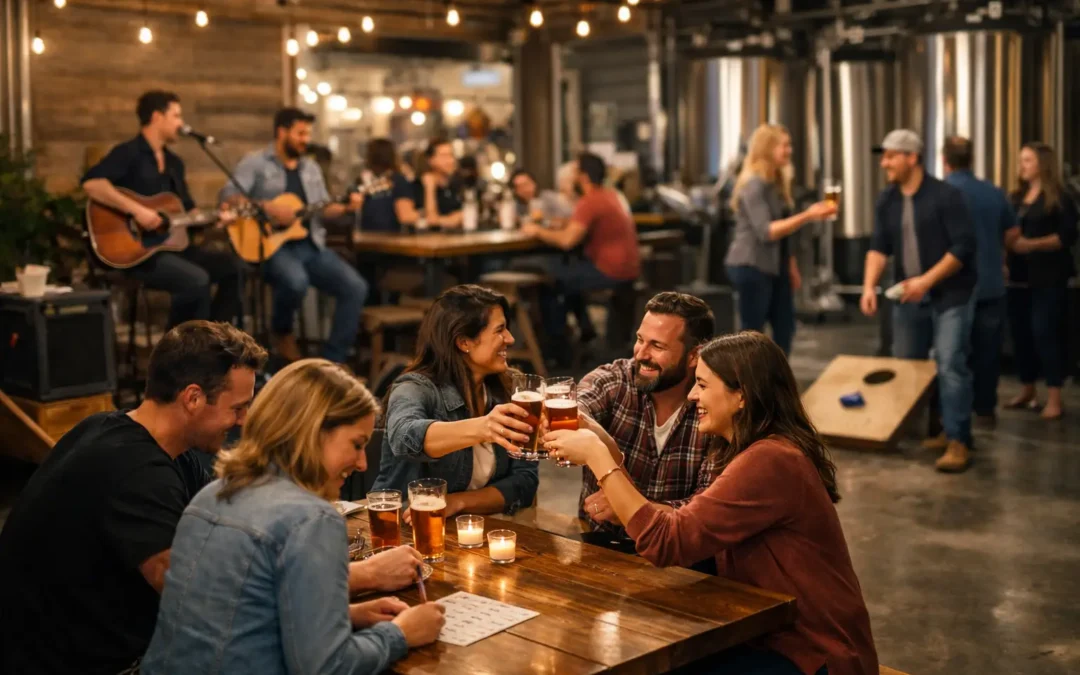
A packed taproom rarely happens by accident. The best nights usually come from simple, well-run concepts that give people a reason to stop in, stay for another round, and bring friends next time. Great taproom event ideas do more than fill seats for a few hours. They help turn a brewery into part of people’s weekly routine.
That matters because not every event works the same way for every taproom. A beer-first crowd may show up for a small-batch release and brewer Q&A, while a neighborhood dinner crowd might respond better to trivia, burger specials, or a patio hang with live music. The sweet spot is finding events that fit your space, your staff, your beer lineup, and the kind of experience people already expect when they walk in.
What makes taproom event ideas actually work
The strongest events feel natural inside the room. If your taproom is relaxed, social, and food-friendly, the event should support that instead of fighting it. A loud, highly structured competition can flop in a space people use to catch up with friends. On the other hand, a passive event with no real hook can disappear into the background.
Good events also make business sense. They should support at least one clear goal – bringing in first-time guests, increasing slower-night traffic, selling featured beers, moving more food, or building repeat visits. If an event is fun but creates stress for staff, slows service, or attracts a crowd that spends very little, it may need a different format.
That is why consistency often beats novelty. A one-off can create a spike, but recurring events build habits. People remember that Tuesday is trivia night or that the first Friday of the month means a new beer release. Once a pattern sticks, promotion gets easier and turnout gets more predictable.
12 taproom event ideas worth trying
1. Trivia that fits your crowd
Trivia remains one of the most reliable taproom event ideas because it gives groups a built-in reason to gather without changing the flow of service too much. The key is keeping the tone fun rather than overly competitive. A neighborhood taproom usually does better with broad categories, local references, and a host who keeps things moving.
If you want to push it a little further, build a round around craft beer, Colorado, sports, movies, or seasonal themes. Pair it with a featured pint or a food special so the event drives sales beyond just seat count.
2. Small-batch beer release nights
New beer releases give regulars a reason to come in now instead of sometime later. This works especially well when the release has a story behind it – a seasonal stout, a fresh IPA, a tart sour, or a lager brewed for patio weather.
The event does not need to be complicated. A first-pour window, tasting flights, limited glassware, or a quick meet-the-brewer moment can be enough. If the beer is the star, keep the format clean and let the energy build around scarcity and curiosity.
3. Burger and beer pairing nights
Food-led events can be just as strong as beer-led ones, especially in a brewpub where the kitchen is part of the draw. A pairing night works best when the menu is approachable. People are more likely to commit to a burger-and-beer pairing than a formal multi-course dinner.
This kind of event also appeals to guests who may not consider themselves beer nerds. They just want a great meal, a well-matched pour, and a fun night out. That broader appeal makes it a strong option for date nights, friend groups, and regulars who already know the food is worth showing up for.
4. Live music with clear boundaries
Live music can create a strong atmosphere, but it depends heavily on the room. In some taprooms, acoustic sets or small local acts lift the whole night. In others, amplified music can overwhelm conversation and make service harder.
The best approach is to match the volume and style to the space. Early evening sets, patio-friendly performers, and musicians with a laid-back feel usually land better than turning the room into a full concert venue. The goal is to add energy, not drown out the reason people came.
5. Patio parties when the weather cooperates
When the weather is good, your patio can do a lot of the marketing for you. A patio-focused event feels easy, social, and seasonal, especially if you add a cold-beer hook and keep the format relaxed.
This could be as simple as a summer kickoff, a dog-friendly hangout, frozen drink feature, lawn game setup, or a weekend afternoon with music. The win here is accessibility. People can drop in without a big commitment, which often leads to larger groups and longer stays.
6. Game watch events for big local moments
Sports can be a strong traffic driver if the setup is already there. Not every game is worth building an event around, but the right matchup can pack a room with exactly the kind of crowd that orders rounds, appetizers, and another beer before the final whistle.
The trick is choosing moments that feel local and relevant. Big college games, pro matchups, rivalry nights, or playoff energy tend to work best. Give people a reason to choose the taproom over their couch, whether that is drink specials, shareable food, or simply a better atmosphere.
7. Tap takeovers or collaborative nights
If you want variety without losing your own identity, bring in a collaborative angle. That could mean featuring a partner brewery, hosting a crossover release, or creating a one-night lineup built around a shared theme.
This works best when the partnership feels genuine. Guests respond to events that celebrate craft and community, not random brand stacking. In a market like Colorado Springs, local pride goes a long way when people can tell the event was built for the neighborhood rather than copied from somewhere else.
8. Comedy or open mic nights
A comedy night can fill a room fast, but it needs the right layout and crowd expectations. If people come in expecting a quiet dinner and get a loud stand-up set instead, the night can feel mismatched.
Open mic formats are often easier to test because they feel casual and community-driven. Comedy showcases can work too, especially on slower nights, but they need a host who can manage timing and a room that supports focused attention.
9. Beer education without the lecture
Plenty of guests are curious about beer, but very few want to sit through a class that feels like homework. The best educational events keep things social and practical. Think guided flights, style spotlights, or a brewer-led tasting that explains just enough to make each pour more interesting.
This type of event is especially effective when the lineup has range. A stout, blonde ale, imperial IPA, cream ale, sour, and lager can tell a much better story together than six similar beers. It gives casual drinkers confidence and gives enthusiasts a reason to pay attention.
10. Seasonal parties that feel specific
Holiday events are common, but the good ones avoid being generic. A fall fest, winter stout night, spring patio opener, or summer lager party works better when there is a distinct reason to attend.
That reason could be a limited menu item, themed beer flight, costume angle, local vendor pop-up, or family-of-friends atmosphere that fits your audience. Specific beats broad every time. People remember a chili-and-stout night more than they remember a vague seasonal party.
11. Industry nights and neighborhood appreciation events
Some of the smartest taproom event ideas are built for the people most likely to become regulars. Industry nights can attract restaurant staff, service workers, and other locals looking for a dependable place to unwind after hours. Neighborhood appreciation events do something similar by rewarding the people who live and work nearby.
These events are not always flashy, but they are good for long-term loyalty. They tell guests that the taproom is not just trying to chase occasional traffic. It wants to be part of the local routine.
12. Low-lift recurring weekly specials with a social hook
Not every event needs a host, performer, or ticket. Some of the most effective nights are really just well-positioned weekly rituals. Pint-and-burger nights, flight specials, or a featured beer-and-food combo can function like events if they are consistent and easy to remember.
This approach is often the most sustainable. It gives people a reason to come in without adding a major operational burden. For a busy brewpub, that balance matters.
How to choose the right event for your taproom
Start with the nights you actually want to improve. If Mondays are quiet, test something simple and repeatable. If Fridays are already busy, a special release or music set might help you increase check average rather than just traffic.
Then look at your strengths. A taproom with a strong kitchen should use food more often. A brewery with a deep beer program should make releases and tasting events part of the mix. A space with a great patio, dog-friendly energy, or community following should lean into those natural advantages.
It also helps to think about friction. Events fail when they ask too much of guests or staff. If people need to pre-register, show up at an odd time, or follow a complicated format, turnout can drop fast. The easier the event is to understand in one sentence, the easier it is to sell.
Promotion matters, but the experience matters more
A full room on event night is great. A room full of people who want to come back is better. That means the service has to stay smooth, the event needs to start on time, and the product has to deliver. If the beer is great and the food holds up under pressure, even a simple event can feel worth repeating.
At South Park Brewing, that usually means building nights around what people already come for – quality beer, satisfying food, and a place that feels easy to settle into. The event is the invitation. The real win is giving people another reason to make the taproom part of their week.
If you are choosing what to try next, start with the idea that feels most natural in your room, run it well, and pay attention to what people order, how long they stay, and whether they bring someone new the next time.