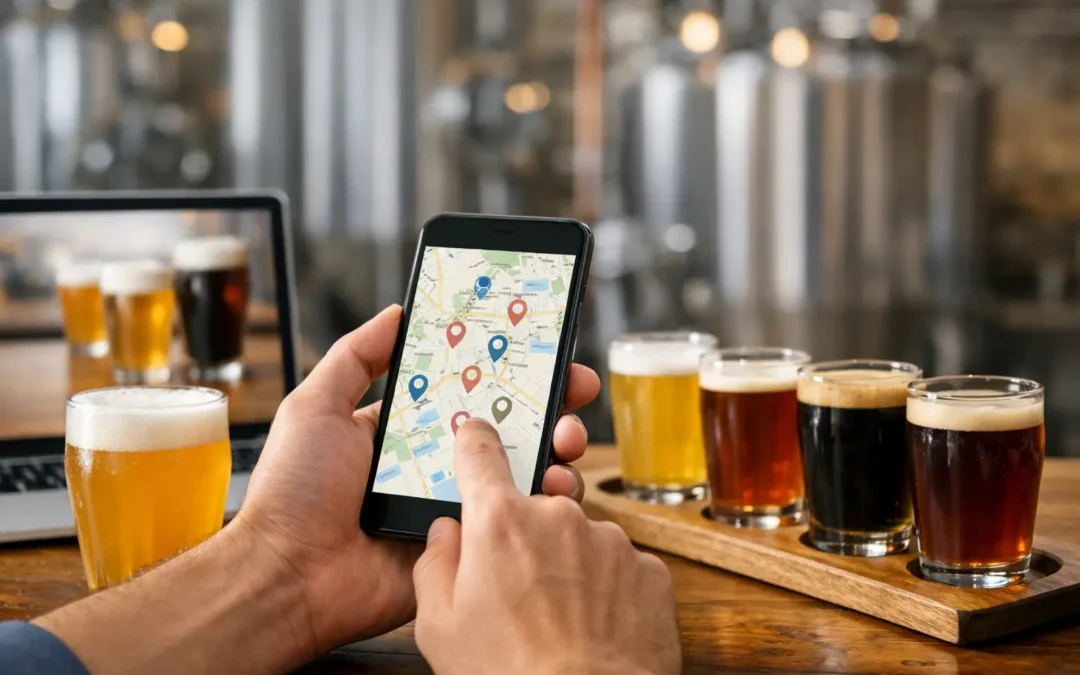
You spot a beer you want to try, but it is not on the tap list at your usual spot. A brewery beer finder gives you a faster answer than driving around Colorado Springs hoping a store still has it in stock. Knowing how brewery beer finder works helps you use those results wisely, find beer closer to home, and avoid turning a quick beer run into a scavenger hunt.
A beer finder is designed to point drinkers toward places that recently received a brewery’s beer. It is a useful starting point, especially for seasonal releases, packaged beer, and a favorite year-round pour. But it is not always a live inventory system. The difference matters when you have your heart set on one specific IPA, lager, stout, or sour.
How Brewery Beer Finder Works Behind the Scenes
Most brewery beer finders begin with distribution data. When a brewery, distributor, or sales team delivers beer to a liquor store, restaurant, bar, or market, that account can be added to the finder database. The brewery then displays those locations on a map or in a searchable list.
You typically enter a ZIP code, city, or address. The finder sorts participating accounts by distance and may show the business name, street address, phone number, and the type of location. Some tools also identify whether a location has draft beer, packaged beer, or both.
The results are based on the best available delivery or account information, not necessarily what is on the shelf at that exact moment. A store may have received a case last week and sold through it by Friday. A restaurant may have a keg in its cooler but not put it on tap yet. Another account might carry the brewery regularly but have skipped one seasonal release.
That is not a flaw in the idea of a beer finder. It is simply the reality of fresh, rotating beer moving through independent stores and busy bars.
What a Beer Finder Can Tell You
A well-maintained finder is great at answering the first question: where should I look? It can help you locate nearby businesses that have recently carried a brewery’s products, including places you may not have considered before.
It is especially handy when you are looking for packaged beer for a backyard cookout, bringing a local beer to a friend’s place, or trying to find a particular release outside the taproom. If you are planning a group dinner, it can also identify restaurants or bars that may pour beer from a brewery you already know you enjoy.
For breweries with a rotating lineup, the finder can reveal the broader footprint of the brand. You might see that a favorite cream ale appears at neighborhood liquor stores while a limited imperial IPA is more likely to show up at specialty beer shops or select draft accounts.
At South Park Brewing, a finder can be a helpful way to check where beer may be available beyond the brewpub when you are planning a night in, stocking up for guests, or looking for a familiar local pour around town.
What It Cannot Promise
A beer finder cannot reliably guarantee that a specific beer is available right now. That is the biggest expectation to keep in check.
Beer inventory changes fast. Kegs kick, cans sell out, menus rotate, and retailers decide what to reorder based on their own customer demand. Even an account listed as a regular carrier may be temporarily out of stock or carrying a different beer from the same brewery.
Timing also affects accuracy. Delivery data may update quickly, or it may be uploaded in batches. A location that appears in search results could reflect a recent delivery, a past order, or a standing relationship with the brewery. The details depend on the brewery’s distribution setup and how often its finder is maintained.
That is why the beer finder works best as a smart shortlist, not a guaranteed reservation. If the trip matters, call ahead. Ask for the beer by name, whether it is available in cans or on draft, and whether there is a purchase limit for limited releases.
How to Use a Brewery Beer Finder Before You Head Out
Start with the smallest useful search area. Enter your ZIP code or neighborhood rather than searching an entire city, then expand the radius if the nearby results are thin. This keeps the list relevant and may reveal a convenient spot you pass every week.
Next, look closely at the location type. A liquor store is usually your best bet for packaged beer, while a taproom, bar, or restaurant is more likely to have a draft pour. Grocery and market listings can be convenient, but selection often varies by store and season.
If the finder identifies a particular beer, pay attention to any date shown beside it. A recent update is more encouraging than an undated listing. Still, use it as a signal to contact the business, not as proof that the beer is waiting for you.
When you call, keep the question simple: “Do you have [beer name] from [brewery] in stock today?” If you want draft beer, ask whether it is currently on tap. If you are after cans or bottles, ask what package sizes are available and whether they have a cold supply. A two-minute call can save a disappointing detour.
Why Freshness Matters When You Find Beer
Finding the right beer is only part of the win. For hop-forward styles, especially pale ales and IPAs, freshness can shape the whole experience. Bright aromatics and crisp flavor tend to show best when the beer has been stored cold and enjoyed close to its intended release window.
That does not mean every beer should be rushed. Some stouts, strong ales, and barrel-aged releases can develop beautifully over time when stored correctly. But for most everyday craft beer, buying from a retailer with good turnover and refrigerated space is a smart move.
Once you get home, keep packaged beer cold and out of direct light. If you are serving friends, do not leave the whole stash sitting in the sun while the grill heats up. A good beer finder gets you to the right location. Proper storage helps make sure the first sip lives up to the search.
Why Some Beers Are Easier to Find Than Others
Core beers are generally easier to locate because they are brewed and distributed more regularly. Seasonal releases can appear for a short window, while small-batch or specialty beers may go only to the brewery, a few selected accounts, or a special event.
Packaging matters too. A beer that is available in cans can reach more retail shelves than a draft-only release. On the other hand, a special keg may land at a bar with the right audience and disappear in a single busy weekend.
Demand plays a role as well. A popular release can sell out before every listed account receives a reorder. If you see a beer you have been hoping to try, it is usually worth checking sooner rather than assuming it will still be around next month.
When the Taproom Is the Better Choice
A beer finder is ideal when you want beer close to where you already are. But if you are looking for the broadest selection, the newest release, or the most reliable answer about what is pouring today, the brewery taproom is often the better move.
The taproom is where breweries can showcase rotating draft options, one-off batches, food pairings, and releases that may never travel far beyond the building. It is also the place to ask the people closest to the beer what is new, what is coming next, and which style fits your mood.
Maybe you need a crisp lager after work, a bold stout with a smash burger, or a tart sour to share with friends on the patio. A beer finder can direct your search, but a visit gives you the full experience behind the beer.
The best approach is simple: use the finder to narrow the field, call if you need a specific beer, and stay open to a new pour if your first choice has already sold through. That flexibility is part of what makes local craft beer worth seeking out.