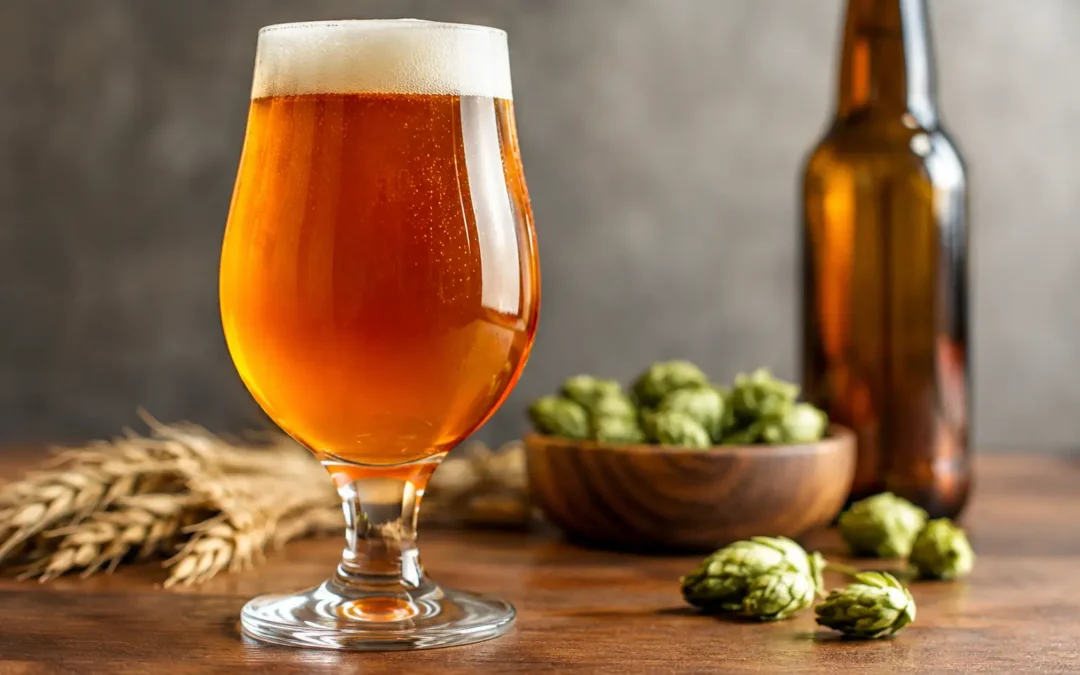
A great imperial IPA does not tiptoe into the room. The aroma reaches you first: fresh citrus peel, tropical fruit, pine needles, or a little resinous, dank edge. Then comes a bigger sip than a standard IPA, with a firm hop bite, fuller malt body, and a warming finish that makes you slow down and notice what is in the glass.
If you are wondering how imperial IPA tastes, the short answer is bold, intensely hoppy, and stronger than a typical IPA. The better answer is that it can taste surprisingly different from one brewery to the next. Some lean bright and juicy. Others are piney, bitter, malty, floral, or dry and crisp. That range is a big part of the fun.
How Imperial IPA Tastes, Sip by Sip
An imperial IPA, also called a double IPA or DIPA, turns up the ingredients that make an IPA memorable. Brewers generally use more malt to support a higher alcohol level, then add generous amounts of hops for aroma, flavor, and bitterness. Most land somewhere around 7.5% to 10% ABV, though some go higher.
Your first impression may be fruit. American hop varieties can suggest grapefruit, orange, lemon, mango, peach, pineapple, passion fruit, berry, or melon. Those flavors do not come from actual juice in most imperial IPAs. They come from hop oils, fermentation, and the way those ingredients work together.
After the fruit character, bitterness often takes center stage. It may arrive as grapefruit pith, orange rind, fresh-cut herbs, pine sap, or a pleasantly sharp bite at the back of the tongue. In a well-made imperial IPA, bitterness should bring structure rather than bulldoze every other flavor. You should still be able to pick up aroma, malt, and a clean finish.
The malt is what separates many imperial IPAs from lighter, more delicate IPAs. Expect hints of fresh bread, crackers, honey, caramel, or light toast, depending on the recipe. Malt gives the beer enough body to carry all those hops and the higher ABV. If it is too sweet or heavy, though, the beer can start to feel syrupy. Balance matters.
Finally, there is warmth. Alcohol is usually noticeable in an imperial IPA, especially as the beer begins to warm in the glass. It can show up as a gentle heat in the chest or a slightly sweet, rounded finish. It should feel integrated, not harsh. Think of it as the difference between a campfire on a cool Colorado evening and a blast furnace. One invites another sip. The other tells you to put the glass down.
Why One Imperial IPA Can Taste Juicy and Another Bitter
There is no single imperial IPA flavor profile. Two beers with the same style name can drink like distant cousins because hop selection and brewing choices change nearly everything.
A West Coast-style imperial IPA often emphasizes clarity, dryness, assertive bitterness, and flavors like grapefruit, pine, resin, and orange peel. It may finish crisp despite its strength, which can make it feel deceptively drinkable. If you enjoy a sharper, more classic hop profile, this is often your lane.
A hazy imperial IPA usually puts softer texture and saturated hop aroma ahead of aggressive bitterness. Expect ripe mango, pineapple, peach, tangerine, or melon notes, with a pillowy mouthfeel and a more rounded finish. “Juicy” does not always mean sweet. A good hazy DIPA can be fruit-forward while still finishing clean enough to keep the next sip appealing.
Then there are maltier or more old-school versions. These can bring a deeper amber color, a touch of caramel, and a firmer backbone under citrus and pine. They are less common on some modern tap lists, but they offer a satisfying contrast for drinkers who want more than fruit aroma in their IPA.
Freshness has a major impact, too. Hop aroma fades faster than many people realize. A fresh imperial IPA is lively and expressive, while an older one may taste muted, overly sweet, or more bitter than intended. That is why ordering from a brewery with an active beer program can be such a good move: you are more likely to meet the beer while its hop character is still doing its best work.
What an Imperial IPA Feels Like in the Glass
Flavor gets most of the attention, but texture changes the experience. Imperial IPAs are usually fuller-bodied than standard IPAs because of their higher malt bill and alcohol content. They may feel smooth, creamy, slightly sticky, or rounded on the palate.
Carbonation can make that body feel lighter. A bright, properly carbonated imperial IPA lifts citrus and tropical aromas toward your nose and prevents the beer from becoming too dense. Hazy versions may feel plush and soft, while clear versions often come across as snappier and more direct.
Color is not a perfect predictor of flavor, but it offers a clue. Pale gold beers often point toward a lighter malt presence and a hop-led profile. Deep gold or copper beers may bring more bread, toast, or caramel beneath the hops. The head should carry aroma, so take a moment to smell before taking that first full sip.
Is Imperial IPA Too Bitter for You?
Maybe, but do not let the word “imperial” make the decision for you. If you enjoy citrusy pale ales, tropical hazy IPAs, or even dry sparkling wines, an imperial IPA may be more approachable than you expect. Start with a smaller pour if it is available, especially if you are trying an unfamiliar version.
If bitterness is not your favorite, look for descriptors such as juicy, hazy, tropical, soft, mango, peach, or citrus. Those beers often emphasize aromatic hop flavor and a gentler bitterness. If you love the classic bite of an IPA, words like West Coast, piney, resinous, crisp, grapefruit, and dry are usually good signs.
It also depends on what you have eaten. A salty smash burger, fries, or spicy wings can make an imperial IPA’s bitterness feel refreshing rather than intense. Rich food meets the beer’s malt body, while fat and salt give those bright hop flavors room to pop. A sweeter dish can make a very bitter IPA seem even sharper, so balance your order accordingly.
The Best Way to Order Your First Imperial IPA
Ask what kind of imperial IPA is pouring, not just whether one is available. A quick question about whether it is hazy and juicy or clear and pine-forward will tell you far more than the style name alone. Bartenders and brewers want you to find a beer you will actually enjoy, not just pick the strongest option on the board.
Serve it cool, but not ice cold. When an imperial IPA is too cold, its aroma and malt character stay muted. As it warms slightly, expect more fruit, hop detail, and alcohol warmth to emerge. That evolution is part of the experience, so there is no need to rush it.
And pace yourself. These beers are built for flavor, but their ABV can sneak up quickly. A full pint may be perfect for an experienced IPA fan and a bit much for someone testing the style for the first time. A smaller pour lets you enjoy the complexity and decide whether you want to explore another hop-forward beer next.
At South Park Brewing, an imperial IPA is best treated as a beer worth gathering around: order one with friends, pair it with something satisfying, and compare what each person catches in the aroma. You may taste orange and pine while someone else gets mango and peach. That is not a disagreement. That is hops doing their job.
The next time a bold IPA appears on the draft list, trust your preferences, ask one good question, and take the first sip with an open mind. The best imperial IPA is not necessarily the most bitter or the strongest. It is the one that makes you want to take another thoughtful sip.