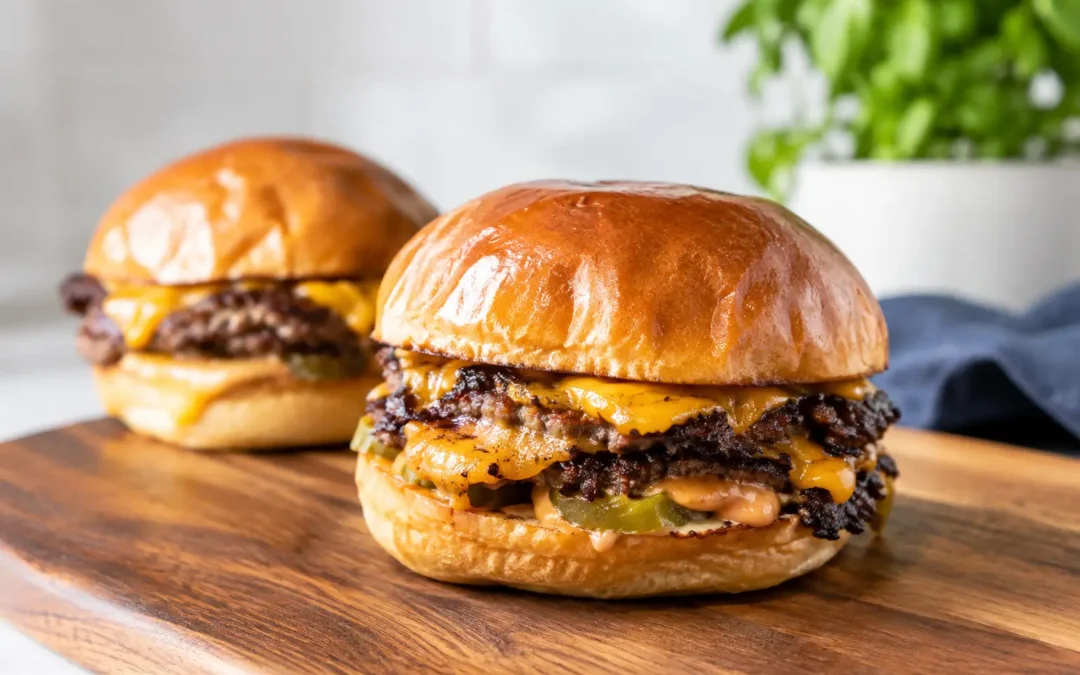
The best part of a smash burger is the part most leftovers threaten to ruin: those deeply browned, lacy edges that crackle when you bite in. Knowing how to reheat smash burgers means treating the patty like it belongs back on a hot flat-top, not steaming it into submission. A little heat, the right pan, and a few minutes of patience can make last night’s takeout feel like a very good repeat performance.
For the closest thing to fresh, reheat the burger components separately. Patties and cheese need direct heat. Buns need a quick toast. Cold toppings need to stay cold until the very end. It takes an extra minute, but that minute is the difference between a proper burger and a soggy stack.
How to reheat smash burgers in a skillet
A skillet is the clear winner for most smash burgers, especially if you want the crisp edges back. Cast iron is great, but any heavy nonstick or stainless-steel skillet will do the job. The goal is to warm the center without overcooking the thin patty.
Start by taking the burger apart. Set aside lettuce, tomato, pickles, onions, and any cold sauce. If the burger has melted cheese, leave it on the patty. If the bun has sauce on it, that is fine, but keep it out of the pan until the end.
Heat the skillet over medium heat for a couple of minutes. You usually do not need oil because smash burgers carry enough rendered beef fat, but a very light swipe of neutral oil can help if your pan tends to stick. Place the patties cheese-side up in the dry hot pan. Let them cook for about 60 to 90 seconds, then flip for another 30 to 60 seconds if needed.
The exact time depends on thickness and how cold the burger is. A single thin patty reheats quickly. Double patties may need closer to three minutes total. If the cheese needs help melting, add a teaspoon of water to an empty spot in the skillet and cover it for 15 to 20 seconds. Keep the water away from the patty itself. You want a brief burst of steam for the cheese, not a steamed burger.
While the patty rests on a plate, put the bun cut-side down in the skillet for 20 to 30 seconds. It should pick up a little warmth and toast without becoming hard. Rebuild the burger with cold toppings and sauce, then eat it while the edges are still doing their thing.
A note on stacked burgers
Do not try to reheat a double or triple smash burger as one tall unit. The outside gets hot long before the middle does, and the bun traps moisture around the patties. Separate the layers first. Reheating each patty individually takes less time than trying to rescue a cold center later.
The oven method for several burgers
Feeding your crew or warming up a larger takeout order? The oven is useful, but it needs a skillet finish if crisp edges are nonnegotiable. An oven warms evenly, yet it does not deliver the fierce direct contact that creates that signature smash-burger crust.
Set the oven to 325°F. Separate the patties, buns, and cold toppings. Place the patties on a baking sheet or oven-safe rack and warm them for about 6 to 8 minutes, until heated through. Add the buns during the final 1 to 2 minutes, cut-side up or directly on the rack if you want them lightly toasted.
For a more restaurant-style result, transfer the warmed patties to a hot skillet for 30 seconds per side before rebuilding. That quick finish brings back some browned texture without drying out the meat. If you are reheating four or more burgers, this approach saves you from running a skillet in multiple batches.
Avoid wrapping the burgers tightly in foil. Foil is excellent at holding heat and terrible at protecting crispness. It traps steam, softens the bun, and turns the browned edges tender. If you need to hold patties briefly, keep them on a rack in a low oven instead.
Can you reheat smash burgers in an air fryer?
You can, and it is a solid option when a skillet is not available. The air fryer does a better job than the microwave at keeping the bun from getting limp, though the patty will not get quite the same seared finish as it would in a pan.
Preheat the air fryer to 325°F. Warm separated patties for 2 to 4 minutes, checking after two minutes since thin patties can go from perfect to dry quickly. Add the bun only for the last 30 to 60 seconds. Reassemble with cold toppings after everything comes out.
Air fryers vary more than most people expect. A powerful compact model can blast a thin burger fast, while a larger basket-style unit may take another minute. Start short, then add time. You can always heat a burger longer. You cannot put back the juices once they are gone.
Why the microwave is a last resort
The microwave is fast, and sometimes fast is the whole point. But it heats smash burgers by exciting moisture, which is the opposite of what those crisp beef edges need. The result is often a hot but soft patty, melted cheese, and a bun that feels a little tired.
If the microwave is your only option, separate the burger first. Put the patty on a microwave-safe plate, cover it loosely with a damp paper towel, and heat at 50 percent power in 20-second bursts. This gentler setting gives the center time to warm without turning the edges rubbery. Toast the bun separately in a toaster oven, toaster, or dry pan if possible.
Skip the damp towel on the bun. A little extra moisture might help a thicker burger patty, but it will make bread steamy and soft. Add pickles, lettuce, tomato, and sauce only after reheating.
Keep the bun and toppings in their own lane
Great leftover burgers are mostly about moisture management. The bun absorbs moisture from sauce, tomatoes, onions, and the hot patty. The longer all of that sits together, the more likely it is to go soft. Separating the components before reheating gives each one the treatment it needs.
Lettuce and tomato should stay in the refrigerator until serving. Pickles and raw onions can go back on cold for contrast, although grilled onions may be warmed beside the patty for the last minute. If the burger came with a special sauce, spread it on after toasting the bun. That keeps the bread from soaking it up while the meat reheats.
Cheese is the exception. Leave it on the patty, because a hot skillet or a brief covered moment will bring it back to that proper melted state. American cheese is especially forgiving, but cheddar, pepper jack, and Swiss also re-melt well when given gentle heat.
Food safety and leftover timing
Refrigerate leftover burgers within two hours of serving, or within one hour if they have been sitting outside in hot weather. Store them in a shallow container so they cool quickly. For best flavor and texture, reheat smash burgers within one to two days, though properly refrigerated cooked beef can generally be kept a little longer.
Warm the patty until it is hot all the way through. If you use a food thermometer, 165°F is the conservative target for reheated leftovers. Do not reheat the same burger more than once. Reheat only what you plan to eat, and keep the rest cold for another meal.
The quick move when the craving hits
When you have a leftover burger from South Park Brewing or your own home skillet session, the move is simple: separate it, heat the patty in a skillet, toast the bun, and rebuild it with chilled toppings. It is not fussy cooking. It is just giving each layer a fair shot.
Put a cold beer in the fridge while the pan heats, keep the burger out of the microwave if you can, and let those crisp edges earn their second round.