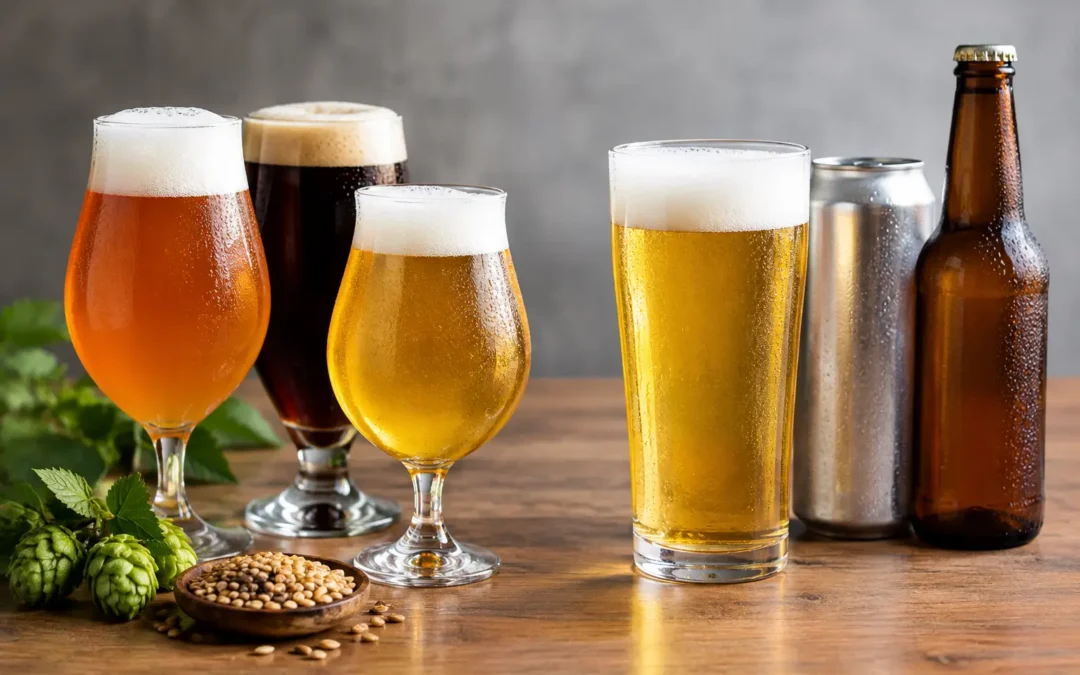
A crisp lager can be exactly what the moment calls for. So can a hazy IPA that smells like fresh citrus, a dark stout with roasted-coffee notes, or a bright sour that wakes up the palate. The craft beer versus macro beer conversation gets more useful when it moves past the idea that one is automatically better and asks a better question: what kind of beer experience do you want right now?
For some drinkers, that means a familiar, ice-cold beer at a concert or a backyard cookout. For others, it means trying a limited release brewed close to home with a smash burger and a table full of friends. Both have a place. The differences are real, though, and they shape everything from flavor and freshness to price, availability, and the people behind the tap handle.
Craft Beer Versus Macro Beer: The Core Difference
The simplest difference is scale. Macro beer is produced by large brewing companies built to make enormous volumes of consistent beer for broad distribution. Their products are available nearly everywhere, and their brewing systems are designed to deliver the same recognizable result whether the can is opened in Colorado Springs or across the country.
Craft beer is generally made by smaller, independent breweries, although the category has a few gray areas. A brewery can grow well beyond its neighborhood roots and still make beer with a craft-minded approach. Ownership matters, too. A brand may look small and local on a shelf but be owned by a global beverage company. For many craft drinkers, knowing who owns the brewery is part of the purchase decision.
Scale alone does not determine quality. Large breweries employ talented brewers, sophisticated lab teams, and strict quality controls. Small breweries can make exceptional beer, and they can also have occasional batch variation. The more meaningful distinction is often intent: macro breweries tend to prioritize broad appeal and repeatability, while craft breweries are more likely to prioritize variety, local connection, and a distinct point of view.
Why the Flavor Often Feels So Different
Macro beer commonly centers on light lagers and similar easy-drinking styles. These beers are clean, crisp, pale in color, and designed to be refreshing without demanding much attention. That is not an accident or a shortcut. Making a light lager that tastes clean every time leaves very little room for flaws, which requires skill and control.
Craft breweries can make excellent lagers, too, but they also have more room to chase range. A tap list might move from a smooth blonde ale to a cream ale, a bright sour, an imperial IPA, a chocolatey stout, and a seasonal lager. The goal is not always intensity. It is choice. One beer may lean citrusy and aromatic, another malty and caramel-like, and another dry enough to pair easily with a plate of fries.
Ingredients help drive that variety. Craft brewers may use distinctive hop varieties for tropical fruit, pine, grapefruit, melon, or floral aromas. They may select specialty malts for biscuit, toast, cocoa, or coffee character. Yeast can bring peppery spice, soft fruit, or a crisp finish. Some recipes include fruit, herbs, coffee, or barrel aging when those ingredients support a clear flavor idea.
Macro breweries also use carefully chosen ingredients, but the recipes often aim for a narrower flavor profile. Large-scale producers may use adjunct grains such as corn or rice to create a lighter body and clean finish. In the right beer, that is a style decision, not a flaw. If you want something cold, light, and uncomplicated after mowing the lawn, that profile can hit the spot.
Consistency Is a Feature, Not a Knock
A macro beer drinker knows what to expect. The brand, package, and flavor are familiar, and that reliability has value. It is one reason macro beer remains a go-to for big gatherings, stadiums, and casual occasions where nobody wants to study a tap list.
Craft beer trades some of that sameness for discovery. A brewery may keep a few dependable house beers while rotating special releases based on the season, ingredient availability, and brewer inspiration. That can make a taproom visit more interesting, but it also means your favorite one-off may not be around forever. If you love trying something new, that is part of the fun. If you want the same beer every time, a core lager or blonde may be your better move.
Freshness, Travel, and the Local Factor
Beer is not equally sensitive to time. A barrel-aged stout can develop over months or years, while hop-forward IPAs usually show their brightest aroma when fresh. The farther a beer travels and the longer it sits in warm storage, the more likely those fresh-hop notes are to fade.
That is one advantage of buying from a local brewery or drinking at the source. The beer may have traveled only from the brewhouse to the taproom cooler. You can also ask what is new, what is seasonal, and which pour is tasting especially good that week. There is no guarantee that every local beer is fresher than every national beer, but shorter supply chains can make freshness easier to manage.
Local beer also carries a social element that is hard to package. A brewpub supports jobs, hosts gatherings, and gives neighbors a spot to meet after work or bring visiting friends. The pint comes with a sense of place. That matters to many people, especially when the food, patio, and taproom energy are as much a part of the outing as the beer itself.
Price: What Are You Paying For?
Macro beer is often less expensive because big producers purchase ingredients, packaging, and logistics at huge scale. Their production systems are optimized for volume, and a single brand can be distributed through established networks almost everywhere.
Craft beer can cost more for several reasons. Smaller batches do not get the same purchasing power. Premium hops, specialty malts, fruit, coffee, and barrels add expense. Canning and distribution can be costly for a small operation, and higher-alcohol beers require more ingredients and longer production time.
A higher price does not automatically mean a better beer, just as a lower price does not mean an inferior one. Think about the occasion. A twelve-pack for a camping trip, a crisp draft with lunch, and a special release shared with friends are different purchases with different value. The best choice is the one that fits your taste, budget, and plans.
How to Choose Without Overthinking It
Start with how you want the beer to drink. If you want light, crisp, and familiar, reach for a lager, pilsner, blonde ale, or light macro beer. If you want more aroma and fruit-forward flavor, look for a pale ale or IPA. If you are eating a rich burger, a balanced amber, lager, or stout can stand up nicely. If you are curious but not ready for a palate workout, ask for a small pour or a flight.
Do not let style names intimidate you. “Imperial” usually signals more alcohol and intensity. “Sour” can range from gently tart to sharply puckering. “Cream ale” is typically smooth and easy-drinking, not creamy in the dairy sense. A good bartender can point you toward a beer that matches what you already enjoy, then help you take one small step beyond it.
The Best Beer Is the One You Enjoy
Some beer fans love collecting rare releases and comparing hop harvests. Others want a cold, clean lager with no ceremony. Most people land somewhere in the middle, changing their choice with the weather, meal, and company.
That is the real win in craft beer versus macro beer: more options for more kinds of drinkers. Keep a familiar favorite in the cooler if you like it. Then leave room for a pint that surprises you. At South Park Brewing, that might mean pairing a fresh house beer with a smash burger, settling into a table with friends, and finding the pour that makes an ordinary night feel worth lingering over.