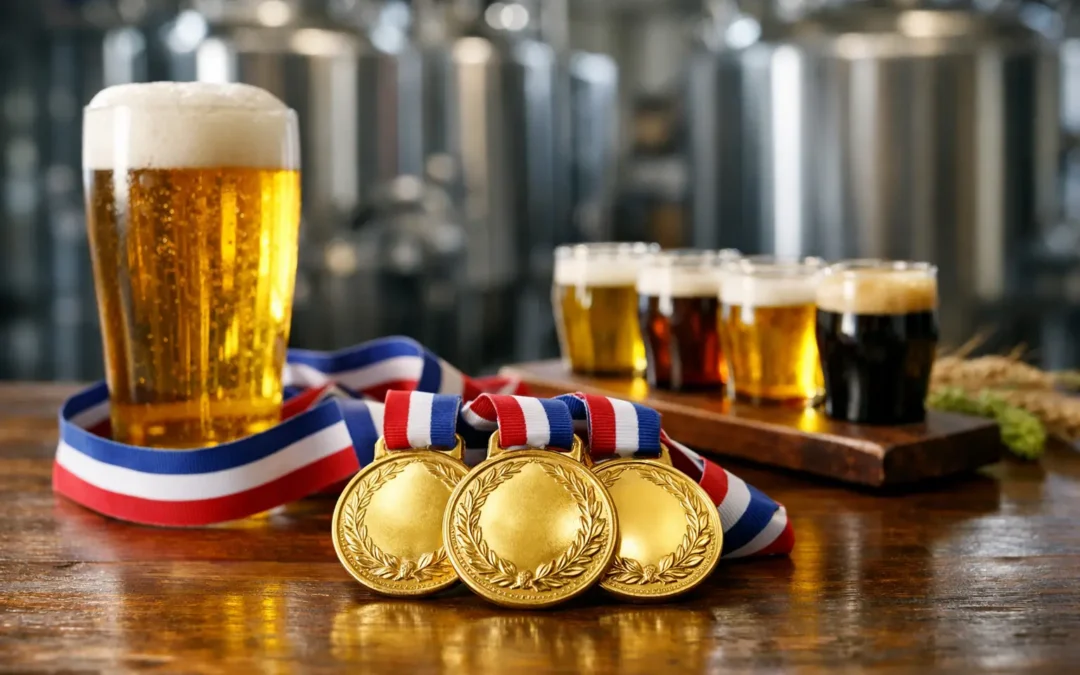
A medal-winning beer is rarely an accident. When people ask how award winning breweries earn medals, the answer is not one secret hop, a flashy can, or a brewer getting lucky on judging day. It is the steady work behind the glass: a focused recipe, tight quality control, a clean draft pour, and the judgment to enter the right beer in the right category.
At a great brewpub, that work should be felt before anyone mentions a competition. The lager is crisp. The stout is smooth rather than muddy. The IPA delivers its intended hop character without tasting tired. Medals are a welcome result, but the real goal is beer people want to come back for with a burger, a table full of friends, or a relaxed Colorado Springs afternoon.
How Award Winning Breweries Earn Medals
Beer competitions are structured sensory evaluations, not popularity contests. Judges compare each entry against a defined style description and score aroma, appearance, flavor, mouthfeel, and overall impression. A beer can be delicious and still miss a medal if it does not fit the category it entered. A juicy IPA entered as a West Coast IPA, for example, may be marked down for being too soft, fruity, or low in bitterness even if the beer is well made.
That is why serious breweries start with intention. They know whether a beer is designed to be a bright blonde ale, a rich stout, a tart sour, or a full-bodied imperial IPA. They also know the hallmarks that make that style recognizable. The goal is not to make every beer taste the same. It is to make each beer deliver exactly what it promises.
The recipe has to be repeatable
A creative idea may start a beer, but consistency earns trust with judges and regulars alike. Brewers document their water profile, malt bill, hop timing, yeast strain, fermentation temperature, carbonation level, and packaging process. If a batch turns out exceptional, they need to understand why it worked and be able to recreate it.
Water chemistry is one of the quiet forces behind standout beer. It affects perceived bitterness, malt roundness, finish, and overall balance. Colorado water can be a great starting point, but different styles often call for different mineral profiles. A soft, rounded cream ale and a snappy hop-forward IPA do not necessarily benefit from the same treatment.
Ingredient handling matters just as much. Fresh hops, properly stored malt, healthy yeast, and clean brewing equipment are not glamorous talking points, but they show up in every sip. An old hop aroma, a stressed yeast character, or a hint of oxidation can separate a strong beer from a medal contender.
Fermentation is where good plans become good beer
Brewers often say they make wort and yeast makes beer. There is plenty of truth in that. Yeast converts sugar into alcohol and carbon dioxide, but it also creates the fruity, spicy, crisp, or neutral character that helps define a style.
Temperature control is essential. Too warm, and fermentation can create unwanted solvent-like or overly fruity notes. Too cold or rushed, and a beer may finish sweet, dull, or underdeveloped. Breweries chasing competition-level quality track fermentation closely, give beer enough conditioning time, and verify that it is stable before serving or packaging it.
Patience can be a competitive advantage. A beer might be technically finished in a few days, yet still need time for flavors to settle, yeast to drop, or carbonation to integrate. The trade-off is real: tank space costs money, and a busy taproom needs beer ready to pour. But rushing a beer that is not ready is rarely worth it.
Quality Control Happens Long Before Judging
The best brewers do not wait for competition feedback to find a problem. They taste throughout the process, compare batches, and use sensory panels made up of trained staff, fellow brewers, and trusted palates. Those tastings look for flaws such as diacetyl, which can taste buttery; acetaldehyde, which can resemble green apple; oxidation, which can read as stale paper or muted hops; and infection, which may create sourness where it does not belong.
Not every flavor variation is a flaw. A sour ale should have acidity. A stout can carry roast, chocolate, and coffee notes. A lager may have a subtle sulfur note during fermentation that fades with proper conditioning. The key is knowing what belongs in the finished beer and what signals a process issue.
Lab testing can help breweries measure factors that human senses alone cannot always confirm, including alcohol content, pH, carbonation, dissolved oxygen, and microbiological stability. Smaller breweries may use outside labs or a leaner testing program, while larger operations may have more equipment in-house. Either way, disciplined tasting remains essential. Beer is ultimately judged by people, not instruments.
Freshness is part of the recipe
For hop-driven beer especially, timing matters. An IPA can be beautifully brewed and still lose its bright aroma after sitting too long, getting warm in storage, or picking up oxygen during packaging. That is why medal-minded breweries pay attention to cold storage, package dates, line cleaning, and how samples travel to a competition.
The same principle applies at the bar. Clean glassware, properly maintained draft lines, and the right serving temperature protect the brewer’s work. A world-class beer poured through a neglected faucet will not taste world-class for long.
Smart Entries Give Great Beer Its Best Shot
A competition medal begins with a strategic entry. Breweries read the style guidelines, study category definitions, and choose the beer that is tasting strongest at that exact moment. The newest release is not always the right choice. A dependable flagship that has been refined over dozens of batches may have a better chance than an experimental beer with a great story but uneven execution.
Category selection deserves care. Some competitions offer broad categories, while others divide entries into highly specific substyles. Entering a beer correctly gives judges the right frame of reference. It also prevents a brewery from asking a beer to compete against examples it was never meant to resemble.
Packaging and shipping are part of that decision. Bottles and cans need to arrive cold when possible, protected from light and physical damage, and close enough to their ideal drinking window. A brewery cannot control every part of a competition’s handling process, but it can send the freshest, best-presented sample possible.
There is also an element of perspective. Winning at one competition does not prove a brewery is perfect, and missing a medal does not mean the beer is bad. Judging panels vary, categories can be crowded, and small differences in preference can influence close calls. The useful breweries treat results as feedback: celebrate the win, read the score sheets, and keep improving.
Medal Beer Still Has to Win the Taproom
Competition success is exciting because it recognizes real craft. Still, the most meaningful test happens when a guest takes a first sip and decides whether to order another. A medal can introduce someone to a beer, but balance, freshness, and hospitality bring them back.
That is where a brewpub has an advantage. Brewers can hear direct feedback from the people drinking their beer, watch which styles shine alongside the menu, and keep refining the lineup. A crisp lager with a smash burger, a roasty stout after dinner, or a bright sour shared around the table can tell a brewery as much as a score sheet does.
At South Park Brewing, award-worthy beer is meant to be enjoyed, not placed on a pedestal. Ask what is pouring fresh, try a style you do not usually order, and pay attention to the details in the glass. The best medal is finding a beer that makes your next visit an easy decision.